
Introduction to Rangehoods: Understanding Basics
Rangehoods are essential kitchen appliances that play a vital role in maintaining air quality and cleanliness. They are designed to capture and expel airborne grease, combustion products, fumes, smoke, odors, heat, and steam from the air by using a combination of the hood and fans. With the multitude of cooking activities taking place, rangehoods ensure that the kitchen environment remains free of pollutants. They come in various styles, such as under-cabinet, wall-mount, and island rangehoods, each catering to different kitchen layouts and aesthetic preferences. Understanding the basics of rangehoods helps in appreciating their role in enhancing kitchen functionality and hygiene.
● Components of a Rangehood: What Makes It Work
A rangehood consists of several critical components that work together to ensure efficient ventilation. The primary elements include the hood canopy, which captures cooking emissions, and filters that trap grease and other particles. Ducts are employed in ducted systems to channel air outside, while ductless systems use recirculation processes. However, the most crucial component is the motor—responsible for driving the fan that extracts air from the kitchen. Understanding these components is crucial to grasping how a rangehood operates effectively.
The Motor: Heart of a Rangehood
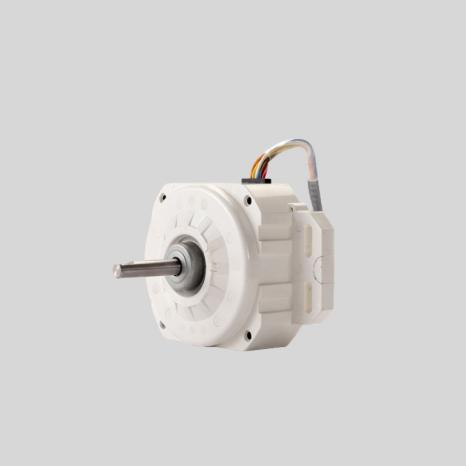
The motor is often referred to as the heart of a rangehood. It is responsible for powering the fan, which is crucial for maintaining airflow and ventilating the kitchen. The motor ensures that the captured air from the cooking process is either expelled outside or recirculated after passing through filters in ductless models. Motors vary in power and efficiency, significantly influencing the performance and efficiency of a rangehood. This underscores why selecting the right motor is paramount in ensuring optimal rangehood functionality.
● Range hood motors: Options and Variations
Rangehoods predominantly come with motors to facilitate effective ventilation. Ducted rangehoods are equipped with motors that drive airflow through ducts to expel it outside, whereas ductless options recirculate filtered air back into the kitchen. Motors are also classified based on speed, with variable speed motors providing flexibility in controlling airflow. The efficacy of a rangehood motor directly impacts its energy efficiency, operational noise, and overall ventilation capability. Thus, understanding these options helps in selecting the right rangehood that meets specific kitchen ventilation requirements.
Pros and Cons of Motorized Rangehoods
Motorized rangehoods come with a set of advantages and potential drawbacks. On the positive side, they offer enhanced air movement capabilities, ensuring effective ventilation. They are also equipped with variable speed settings, allowing users to adjust the ventilation intensity according to cooking needs. However, motorized units can be noisier, depending on the motor's power and design. They also require regular maintenance to ensure optimal performance, especially concerning the motor's functionality.
● Noise Levels: Impact of the Motor
The motor's operation greatly influences the noise levels of a rangehood. High-speed motors, while effective in rapidly ventilating the kitchen, can produce significant noise. Manufacturers have addressed this with innovations like brushless DC motors and improved fan designs that minimize noise output. When selecting a rangehood, it is essential to consider the noise level specifications, especially for kitchens integrated into living spaces. Quiet motor models are available that strike a balance between performance and noise reduction, ensuring a pleasant cooking experience.
Installation Considerations: Motor Impact
Proper installation is crucial for the optimal functioning of a motorized rangehood. The motor's power requirements and space considerations must be taken into account. Professional installation is often recommended to ensure the rangehood is correctly mounted and ducted, especially for ducted systems that necessitate precise ductwork. DIY installations are possible but require careful adherence to guidelines to avoid performance issues. Adequate ventilation for the motor is essential to prevent overheating and ensure efficient operation.
● Maintenance of Motorized Rangehoods
Maintaining a motorized rangehood involves routine cleaning and checks to ensure the motor and other components function correctly. This includes cleaning the filters and ducts (for ducted models) and ensuring the motor does not accumulate grease or debris that could impede its operation. Troubleshooting motor issues early can prevent more significant problems and prolong the rangehood's lifespan. Regular maintenance is crucial for ensuring the continuous efficiency and reliability of the rangehood motor.
Innovations in Motor Technology
Advancements in motor technology have significantly enhanced the performance of rangehoods. Innovations such as brushless DC motors offer improved energy efficiency and reduced noise levels compared to traditional motors. Smart technology integration allows users to control and monitor their rangehoods remotely, further enhancing convenience and efficiency. The ongoing development in motor designs and technologies promises even more efficient and quieter rangehoods in the future, aligning with increasing consumer expectations for kitchen appliances.
● Conclusion: Choosing the Right Rangehood
When selecting a rangehood, considering the motor is paramount. Assessing whether a motorized or non-motorized rangehood suits your needs involves considering factors like kitchen size, cooking frequency, and noise tolerance. For most modern kitchens, a rangehood with a robust motor offers significant benefits in maintaining air quality and reducing unwanted cooking odors and vapors. Potential buyers should look for reputable range hood motor manufacturers, like those specializing in wholesale range hood motors and components, to ensure quality and reliability.
Introduction to Maxtech
Maxtech, stationed in the picturesque city of Hangzhou and conveniently close to Hangzhou Xiaoshan Airport, excels in the R&D, production, and sales of micro and special motors. Their offerings include a diverse range of micro motors, such as BLDC motors, fan motors, and range hood motors, servicing household appliances and industrial equipment. With a commitment to innovation and quality, Maxtech stands out as a leading range hood motor manufacturer and supplier, ensuring top-notch products from their state-of-the-art factory.
Post time: 2024-10-18 16:46:04
 Privacy settings