
Introduction to Brushless DC Motors
● Definition and Basic Principle
brushless direct current (BLDC) motors are an innovative type of motor that replaces the traditional brushed motors, offering high efficiency and excellent controllability. Unlike conventional motors that use brushes to deliver current to the motor windings, BLDC motors rely on electronic controllers to manage the current. This design significantly reduces wear and tear, enhancing the motor's longevity and performance. The absence of brushes also means that BLDC motors produce less electrical noise and are often more efficient, making them a popular choice in various applications, ranging from consumer electronics to industrial machinery.
● Overview of Applications
BLDC motors are versatile and can be found in a wide range of applications. They are prominently used in household appliances such as washing machines, air conditioners, and vacuum cleaners. In the automotive industry, they are employed in electric vehicles, power steering systems, and other crucial components. Additionally, BLDC motors are essential in the field of robotics, where precision control and durability are paramount. Their high efficiency and reliability make them suitable for aerospace and medical equipment, further highlighting their importance in modern technology.
Historical Evolution of DC Motors
● From Brushed to Brushless
The journey from brushed to brushless motors marks a significant milestone in the evolution of electrical machinery. Traditional brushed DC motors were simple in design but had inherent limitations, such as frequent maintenance due to brush wear and electrical noise generation. The introduction of BLDC motors addressed these issues by eliminating brushes and commutators, employing electronic controllers instead. This shift not only improved the durability and efficiency of the motors but also paved the way for more advanced applications that require precise control and high performance.
● Technological Advancements
Over the years, technological advancements have further refined BLDC motors. Innovations in microelectronics have led to the development of more sophisticated controllers, enhancing the precision and responsiveness of these motors. Advances in materials science have resulted in more robust and efficient motor components, while improvements in manufacturing techniques have made BLDC motors more affordable and accessible. These developments have significantly expanded the scope of BLDC motors, making them an integral part of modern engineering and technology.
Core Components of BLDC Motors
● Stator, Rotor, and Coils
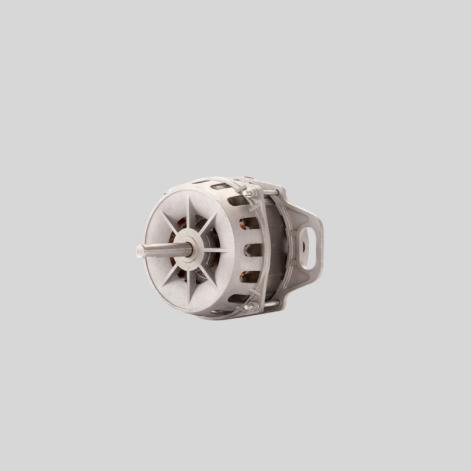
The primary components of a BLDC motor include the stator, rotor, and coils. The stator is the stationary part of the motor, housing the coils or windings through which electric current flows. The rotor, in contrast, is the moving part and is typically made of permanent magnets. Unlike brushed motors, where the coils are located on the rotor, BLDC motors have their coils fixed on the stator. This arrangement eliminates the need for brushes and commutators, reducing mechanical wear and enhancing the motor's efficiency.
● Permanent Magnets vs. Electromagnets
One of the distinguishing features of BLDC motors is the use of permanent magnets on the rotor. In traditional motors, electromagnets are used, requiring a continuous supply of current to maintain the magnetic field. Permanent magnets, however, do not require such a supply, making BLDC motors more energy-efficient. The strength and alignment of these magnets are critical for the motor's performance, and advancements in magnetic materials have significantly improved the power density and efficiency of BLDC motors.
How BLDC Motors Operate
● Role of Electronic Controllers
The operation of BLDC motors hinges on sophisticated electronic controllers that manage the current flow to the stator coils. These controllers use feedback mechanisms to monitor the rotor's position and adjust the current accordingly, ensuring smooth and precise rotation. By continuously varying the magnitude and direction of the current, the controllers can control the torque and speed of the motor with high accuracy. This electronic control system is one of the key factors that set BLDC motors apart from their brushed counterparts, offering superior performance and efficiency.
● Comparison with Brushed DC Motors
In brushed DC motors, brushes deliver current to the rotating commutator, which in turn supplies it to the rotor coils. This mechanical contact is prone to wear and sparks, leading to maintenance issues and electrical noise. In BLDC motors, the absence of brushes eliminates these problems. The coils are fixed, and the rotor is a permanent magnet, with the electronic controller handling the current distribution. This design not only improves efficiency but also enhances the motor's durability and reduces the need for maintenance.
Efficiency and Performance Benefits
● Torque Consistency and Control
One of the standout features of BLDC motors is their ability to maintain consistent torque throughout their operation. Traditional brushed motors achieve maximum torque only at specific points in their rotation. In contrast, BLDC motors can deliver maximum torque continuously, thanks to the precise control offered by electronic controllers. This consistent torque is crucial for applications requiring smooth and reliable performance, such as in electric vehicles where power delivery must be stable and predictable.
● Energy Savings and Reduced Heat
BLDC motors are renowned for their energy efficiency. The absence of brushes reduces frictional losses, while the use of electronic controllers ensures optimal current distribution, minimizing energy wastage. Additionally, the precise control of the motor's operation reduces heat generation, further enhancing efficiency. In battery-powered applications, such as drones and electric vehicles, this efficiency translates to longer battery life and reduced operational costs, making BLDC motors an attractive option for energy-conscious applications.
Durability and Reliability Factors
● Absence of Brushes and Commutators
The lack of brushes and commutators in BLDC motors significantly enhances their durability and reliability. In brushed motors, the constant contact and friction between brushes and the commutator lead to wear and require frequent maintenance. BLDC motors, on the other hand, have a fixed stator and a rotor with permanent magnets, eliminating this wear and tear. This design not only extends the motor's lifespan but also reduces maintenance costs, making BLDC motors a reliable choice for long-term applications.
● Reduced Wear and Maintenance
The reduced mechanical complexity of BLDC motors translates to lower maintenance requirements. Without brushes and commutators that need regular replacement, BLDC motors can operate for extended periods without intervention. This reliability is particularly advantageous in applications where regular maintenance is impractical or costly, such as in aerospace, medical equipment, and remote or automated systems. The enhanced durability of BLDC motors ensures consistent performance and minimizes downtime, further solidifying their position as a dependable solution for various applications.
Common Applications of BLDC Motors
● Consumer Electronics and Appliances
BLDC motors are widely used in consumer electronics and household appliances due to their high efficiency and reliability. In washing machines and air conditioners, they provide precise control and energy savings, contributing to the overall performance and efficiency of these devices. Vacuum cleaners benefit from the high torque and consistent power delivery of BLDC motors, enhancing their cleaning capabilities. The quiet operation of BLDC motors also makes them ideal for applications where noise reduction is a priority.
● Industrial and Automotive Uses
In industrial settings, BLDC motors are used in various machinery and automation systems where precision and reliability are crucial. They drive conveyors, robotic arms, and other equipment that require precise control and consistent performance. In the automotive industry, BLDC motors are employed in electric vehicles, power steering systems, and cooling fans, among other applications. Their energy efficiency and durability make them well-suited for demanding environments, contributing to the overall efficiency and performance of industrial and automotive systems.
Advanced Control Techniques
● Feedback Mechanisms
Feedback mechanisms play a vital role in the operation of BLDC motors, providing real-time data on the rotor's position and speed. This information is used by the electronic controller to adjust the current flow to the stator coils, ensuring precise control of the motor's operation. Sensors such as Hall effect sensors or encoders are commonly used to provide this feedback, enabling the motor to respond quickly to changes in load and maintain optimal performance. These feedback mechanisms enhance the accuracy and responsiveness of BLDC motors, making them suitable for high-precision applications.
● Precision in Speed and Torque Control
The ability to precisely control the speed and torque of BLDC motors is one of their key advantages. By varying the current supplied to the stator coils, the electronic controller can achieve the desired rotational speed and torque with high accuracy. This precision is essential for applications where controlled motion is critical, such as in robotics, medical equipment, and aerospace. The advanced control capabilities of BLDC motors also contribute to their energy efficiency, as they can be operated at optimal performance settings, reducing energy consumption and heat generation.
Conclusion and Summary
● Recap of Key Advantages
In summary, Brushless Direct Current (BLDC) motors offer numerous advantages over traditional brushed motors. Their high efficiency, precise control, and durability make them suitable for a wide range of applications, from consumer electronics and household appliances to industrial machinery and automotive systems. The absence of brushes and commutators reduces wear and maintenance, while advanced electronic controllers provide the precision needed for high-performance applications. As technology continues to evolve, the potential for BLDC motors to drive innovation and efficiency in various fields is immense.
● Prospects for Wider Adoption
The prospects for wider adoption of BLDC motors are promising, with advancements in microelectronics, materials science, and manufacturing techniques making them more accessible and affordable. Emerging technologies and expanding markets are driving the demand for high-performance motors, and BLDC motors are well-positioned to meet this demand. Their versatility, efficiency, and reliability make them an attractive option for a wide range of applications, and their role in driving innovation and efficiency will continue to grow in the future.
● About Maxtech
Maxtech is located in the picturesque Hangzhou, adjacent to Hangzhou Xiaoshan Airport. The company specializes in the research and development, production, and sales of micro and special motors and fans, primarily producing various types of micro motors such as BLDC motors, single-phase AC motors, and fan motors. Maxtech's products are widely used in household appliances and other industrial control equipment. The company has established long-term cooperative relationships with large domestic electrical companies and has a strong presence in international markets, earning praise for its excellent product quality and innovative solutions.
Post time: 2024-07-09 14:21:07
 Privacy settings