
Introduction to Washing machine motors
In the realm of household appliances, the washing machine stands as a paragon of convenience and innovation. Central to its operation is the motor, a critical component responsible for driving the wash and spin cycles. Selecting the correct motor type is imperative for enhancing efficiency, performance, and longevity. This article delves into the various types of motors used in washing machines, examining traditional and modern technologies while considering energy efficiency, noise levels, and overall reliability.
Traditional Motors: AC Induction Motors
● Functionality and Common Usage
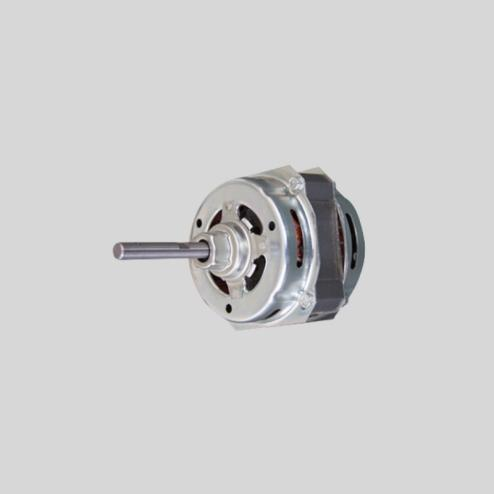
AC induction motors have long been the cornerstone of washing machine design. These motors operate by using electromagnetic induction – where the electric current in a conductor produces a magnetic field, which in turn generates motion. Known for their robustness and simple construction, AC induction motors have commonly powered washing machines in households worldwide.
● Advantages and Limitations in Washing Machines
While AC induction motors provide reliable power and are cost-effective to manufacture, they come with certain limitations. The primary drawback is their lower energy efficiency compared to newer technologies. They also tend to be noisier and less precise in control, which can affect the washing performance and user experience.
Brushless DC (BLDC) Motors: Modern Choice
● Explanation of BLDC Motor Technology
The advent of Brushless DC (BLDC) motors has revolutionized washing machine technology. Unlike traditional motors, BLDC motors do not rely on brushes for commutation. Instead, they use an electronic controller to switch the current in the motor windings, which minimizes friction and wear.
● Benefits Including Efficiency and Noise Reduction
BLDC motors offer significant advantages over their AC counterparts. They are notably more energy-efficient, which can lead to lower electricity bills. Furthermore, their operation is smoother and quieter, enhancing the consumer's experience with reduced noise and vibration levels during wash cycles.
Comparison: BLDC vs. AC Induction Motors
● Performance Differences in Washing Applications
When comparing BLDC motors to AC induction motors, several performance differences emerge. BLDC motors provide more precise control over spin speeds and washing actions, allowing for optimized washing cycles tailored to different fabric types. This precision contributes to better washing results and less wear on clothing.
● Energy Efficiency and Operational Lifespan
Energy efficiency is a critical factor in modern appliance design. BLDC motors are more efficient because they minimize energy loss and operate at variable speeds, reducing overall power consumption. Additionally, their design leads to a longer operational lifespan, mitigating the need for frequent repairs or replacements.
Precision Control in Washing Machines
● Role of Motor Control in Cycle Customization
Customization of wash cycles is a feature appreciated by many users, and motor technology plays a significant role in this aspect. BLDC motors excel in providing the precise control required for various wash programs, allowing users to tailor cycles based on load size, fabric type, and soil level.
● BLDC Motors and Enhanced Washing Results
The accurate speed and torque control of BLDC motors result in enhanced washing results. Clothes emerge cleaner and less stressed, as the motor adjusts its performance to protect delicate fabrics while still removing tough stains effectively.
Energy Efficiency: A Key Consideration
● Impact of Motor Type on Energy Consumption
Household energy consumption is an increasing concern, both from an environmental standpoint and for cost savings. The type of motor used in washing machines significantly influences the appliance's energy efficiency. BLDC motors, due to their advanced design, consume less energy than traditional motors, making them a more sustainable choice.
● How Efficient Motors Can Reduce Household Energy Bills
By choosing washing machines equipped with BLDC motors, consumers can achieve substantial reductions in their energy bills. The increased efficiency of these motors not only lowers power usage but also contributes to the overall sustainability of household appliances.
Noise and Vibration: User Experience
● How Motor Types Affect Noise Levels
Noise and vibration are critical considerations for consumers, especially in open-plan living spaces. Traditional AC induction motors can generate considerable noise and vibration, potentially disturbing the household environment.
● BLDC Motors and Improved User Comfort
BLDC motors, with their quieter operation and reduced vibration, significantly enhance user comfort. This noise reduction is particularly valuable in apartments or homes where living and laundry spaces are in close proximity.
Reliability and Maintenance of Motors
● Durability and Maintenance Needs of Different Motors
The reliability of a washing machine motor is paramount for minimizing maintenance costs and downtime. AC induction motors, while durable, often require more frequent maintenance due to brush wear. In contrast, BLDC motors, devoid of brushes, have fewer components prone to wear and thus offer greater reliability.
● How Motor Choice Can Influence Service Life
Choosing the right motor can directly influence a washing machine's service life. BLDC motors, with their efficient design and minimal maintenance needs, often outlast their traditional counterparts, providing a longer, trouble-free lifespan.
Innovations and Future Trends in Motor Technology
● Emerging Technologies in Washing Machine Motors
The field of motor technology is continually evolving, with innovations aiming to further improve efficiency and performance. Developments include the integration of smart technology, allowing users to monitor and control motors remotely through mobile apps and home automation systems.
● Potential Developments in Efficiency and Sustainability
Future trends indicate a shift towards even greater efficiency and sustainability in motor design. Research into new materials and technologies is likely to yield motors that not only consume less energy but are also more eco-friendly throughout their lifecycle.
Conclusion: Choosing the Right Motor
● Summary of Factors Influencing Motor Choice
Selecting the appropriate motor for a washing machine involves considering various factors, such as energy efficiency, operational noise, durability, and maintenance needs. While traditional AC induction motors have served well in the past, the superior characteristics of BLDC motors make them the preferred choice for modern washing machines.
● Recommendations for Consumers and Manufacturers
For consumers, opting for a washing machine equipped with a BLDC motor can result in better performance, lower energy bills, and a quieter home environment. Manufacturers, meanwhile, should focus on developing and promoting appliances that incorporate advanced motor technologies to meet the demands of environmentally-conscious and quality-focused consumers.
● Maxtech: A Leader in Motor Innovation
Maxtech, located in the picturesque city of Hangzhou near Hangzhou Xiaoshan Airport, stands at the forefront of motor technology innovation. Specializing in the research, development, production, and sales of micro and special motors and fans, Maxtech offers a diverse range of products. Their lineup includes BLDC motors, single-phase AC motors, and various fan products, catering to household appliances and industrial equipment, ensuring high performance and sustainability.
Post time: 2024-10-12 16:34:02
 Privacy settings