
When it comes to juicing, the efficiency and effectiveness of the juicer largely depend on the motor that powers it. This article delves into the intricate world of juicer motors, exploring the various types, their efficiencies, maintenance, and factors to consider when choosing the perfect motor for your juicer. Whether you are a consumer, wholesaler, or someone interested in the technical aspects, this guide will provide valuable insights into juicer motors.
Introduction to Juicer motors
● Overview of Motor's Role in Juicers
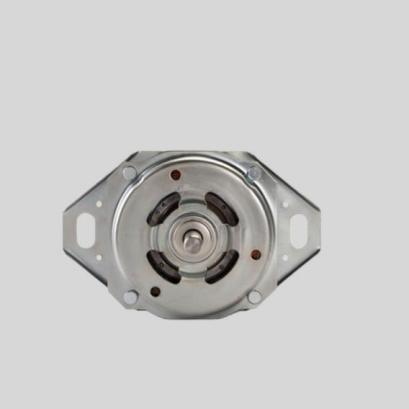
The motor is the heart of any juicing machine, delivering the necessary power to process fruits and vegetables into smooth, nutrient-rich juices. It determines how fast and effectively the juicer will perform its task, influencing the quality of the juice produced.
● Importance of Motor Type in Performance
Choosing the right type of motor is crucial as it impacts the overall performance. Factors like power, durability, speed, and noise level are all intertwined with the type of motor used. For those in the business of wholesale juicer motor supplies or engaging with a juicer motor manufacturer, understanding these aspects can lead to more informed purchasing and manufacturing decisions.
Types of Motors in Juicers
● AC vs. DC Motors
There are primarily two types of motors used in juicers: Alternating Current (AC) motors and Direct Current (DC) motors. AC motors are generally more common, known for their durability and ability to handle higher power loads. On the other hand, DC motors are praised for their efficiency and quieter operation, often utilized in more compact and advanced juicing machines.
● Advantages of Each Motor Type
AC motors are robust, cost-effective, and suitable for high-power applications. They are typically found in larger, more industrial juicers. DC motors, favored for their quieter and smoother operation, are often used in household juicers where noise reduction and energy efficiency are important.
Power Ratings and Efficiency
● Understanding Wattage and Motor Strength
The wattage of a juicer motor is a key indicator of its power and strength. Higher wattage typically means a more powerful motor capable of handling tough and fibrous ingredients with ease. Wholesale suppliers and juicer motor factories should prioritize specifying the right wattage according to the intended use of the juicer.
● Impact of Motor Power on Juicing Efficiency
A powerful motor ensures efficient juicing, reducing preparation time and increasing the yield of juice. Conversely, a motor that is too weak might struggle with harder produce, leading to less efficient juicing and potential motor burnout.
Motor Speed and RPM Variability
● Different Speed Settings and Their Uses
Motor speed, often measured in revolutions per minute (RPM), is another critical factor in juicer performance. Many juicers come with variable speed settings to cater to different types of produce. High speed is ideal for hard fruits, while low speed is perfect for leafy greens.
● How RPM Affects Juicing Process
Higher RPMs typically result in faster juicing, yet might introduce more heat and oxidation, potentially affecting the nutrient quality. On the other hand, lower RPM juicers tend to extract juice more efficiently and with less heat, preserving more nutrients.
Direct Drive vs. Belt Drive Motors
● Differences in Design and Functionality
Direct drive motors have fewer parts and connect directly to the juicing blade, offering a more straightforward and often more durable solution. Belt drive motors use a belt to connect the motor to the blade, which can add complexity but may offer smoother operation.
● Pros and Cons of Each Drive Type
Direct drive motors are generally more reliable and require less maintenance, while belt-driven motors might offer more flexibility in speed but can wear out over time, necessitating more frequent repairs or replacements.
Quiet Operation and Noise Levels
● Importance of Quiet Motors in Juicers
For many consumers, a juicer's noise level is an important consideration. This is especially true for household use, where a quieter operation is preferred.
● How Motor Design Affects Noise Levels
The design and type of motor significantly influence its noise output. DC motors are typically quieter than AC motors, making them favorable in settings where noise reduction is a priority.
Longevity and Durability of Juicer Motors
● Factors Influencing Motor Lifespan
The lifespan of a juicer motor is affected by its build quality, frequency of use, and the type of ingredients processed. Robust materials and superior engineering often equate to increased longevity.
● How Motor Quality Affects Overall Juicer Durability
A high-quality motor not only lasts longer but also ensures that the entire juicing machine maintains its performance over time. For juicer motor manufacturers, prioritizing quality in production can lead to better customer satisfaction and fewer returns.
Energy Consumption and Eco-Friendliness
● Energy Efficiency Considerations in Motor Design
Energy-efficient motors not only save on electricity costs but also align with eco-friendly practices. As consumers become more environmentally conscious, there is a growing demand for energy-efficient juicers.
● Green Technologies in Modern Juicer Motors
Modern juicer motors are increasingly incorporating green technologies, such as energy-saving designs and materials. For businesses like juicer motor factories and suppliers, this trend presents an opportunity to cater to a more environmentally aware market.
Maintenance and Repair of Juicer Motors
● Common Issues and Troubleshooting
Common motor issues include overheating, unusual noise, and reduced performance. Understanding these problems can assist in troubleshooting and resolving them efficiently.
● Tips for Extending Motor Life
Regular maintenance, such as cleaning and timely repairs, can extend the lifespan of a juicer motor. Adhering to the manufacturer's guidelines and avoiding overloading the machine are also crucial practices.
Choosing the Right Motor for Your Needs
● Factors to Consider When Selecting a Juicer
When choosing a juicer, consider the motor's power, noise level, efficiency, and durability. These factors will influence not only the performance of the juicer but also its suitability for specific applications.
● Matching Motor Features with User Requirements
Understanding user needs is essential in selecting the right juicer motor. For instance, a household user might prioritize a quieter, more compact motor, while a commercial user might need a high-power, durable motor.
Conclusion
In summary, the choice of motor in a juicer machine significantly impacts its performance, efficiency, and user experience. For wholesalers, manufacturers, and suppliers like Maxtech, understanding these nuances is crucial in producing and distributing high-quality juicer motors that meet diverse consumer needs.
Maxtech is located in the scenic Hangzhou, near Hangzhou Xiaoshan Airport. Specializing in micro and special motors, the company produces a wide array of micro motors and fan products utilized in household appliances and industrial control equipment. Known for its dedication to innovation and quality, Maxtech continues to be a leading manufacturer in the motor industry.
Post time: 2024-10-15 16:44:03
 Privacy settings