
Micro Motors and DC Motors for Industrial Applications
Our micro motors and DC motors are engineered for precise motion control and reliable performance in industrial and electronic applications. The product portfolio includes micro DC motors and brushless DC motors featuring compact structure, high efficiency, and stable operation. As an experienced micro motor manufacturer, we support customized motor solutions to meet different application requirements.
Micro Motor
-

Customized mini linear actuator/small linear actuator
-
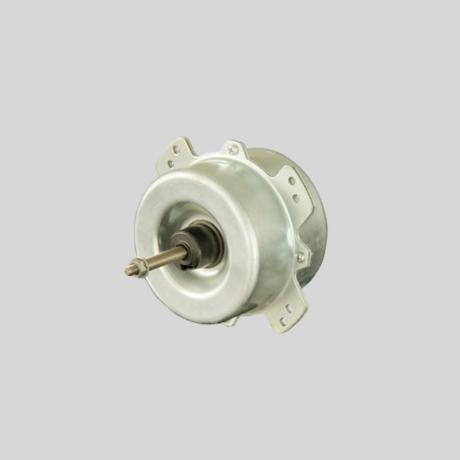
AC air conditioner motor
-
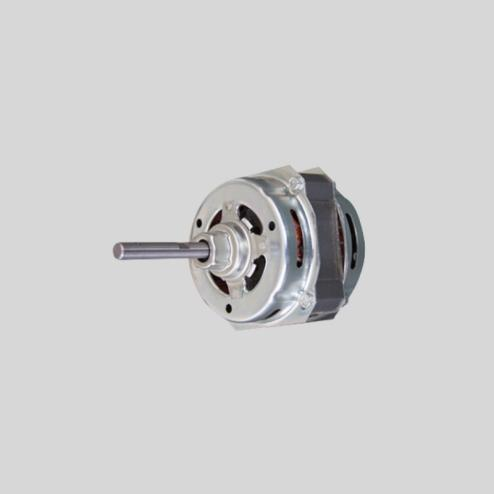
Mini Brushless AC/DC Dryer Motor Manufacture
-
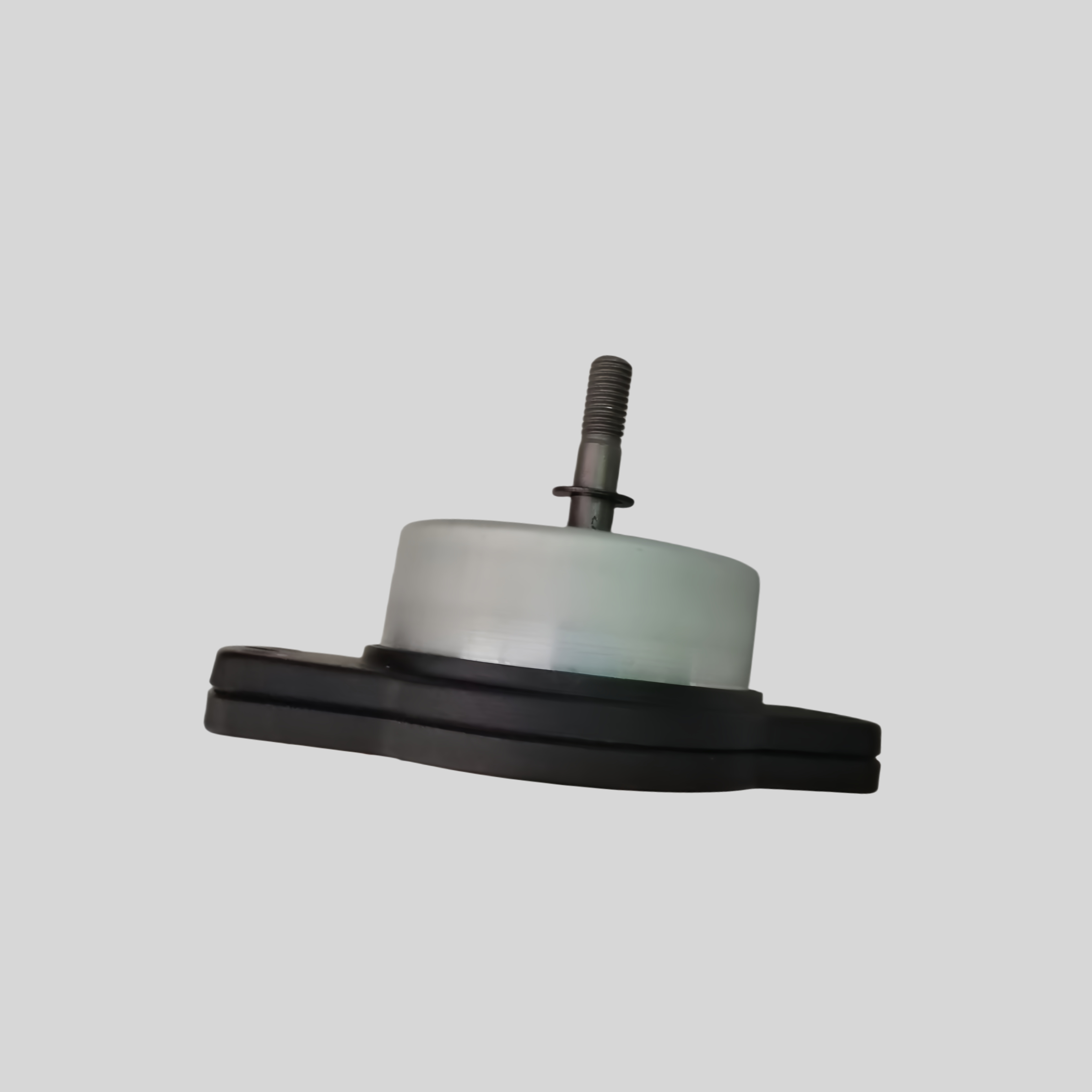
Brushless Direct Current Motor
-
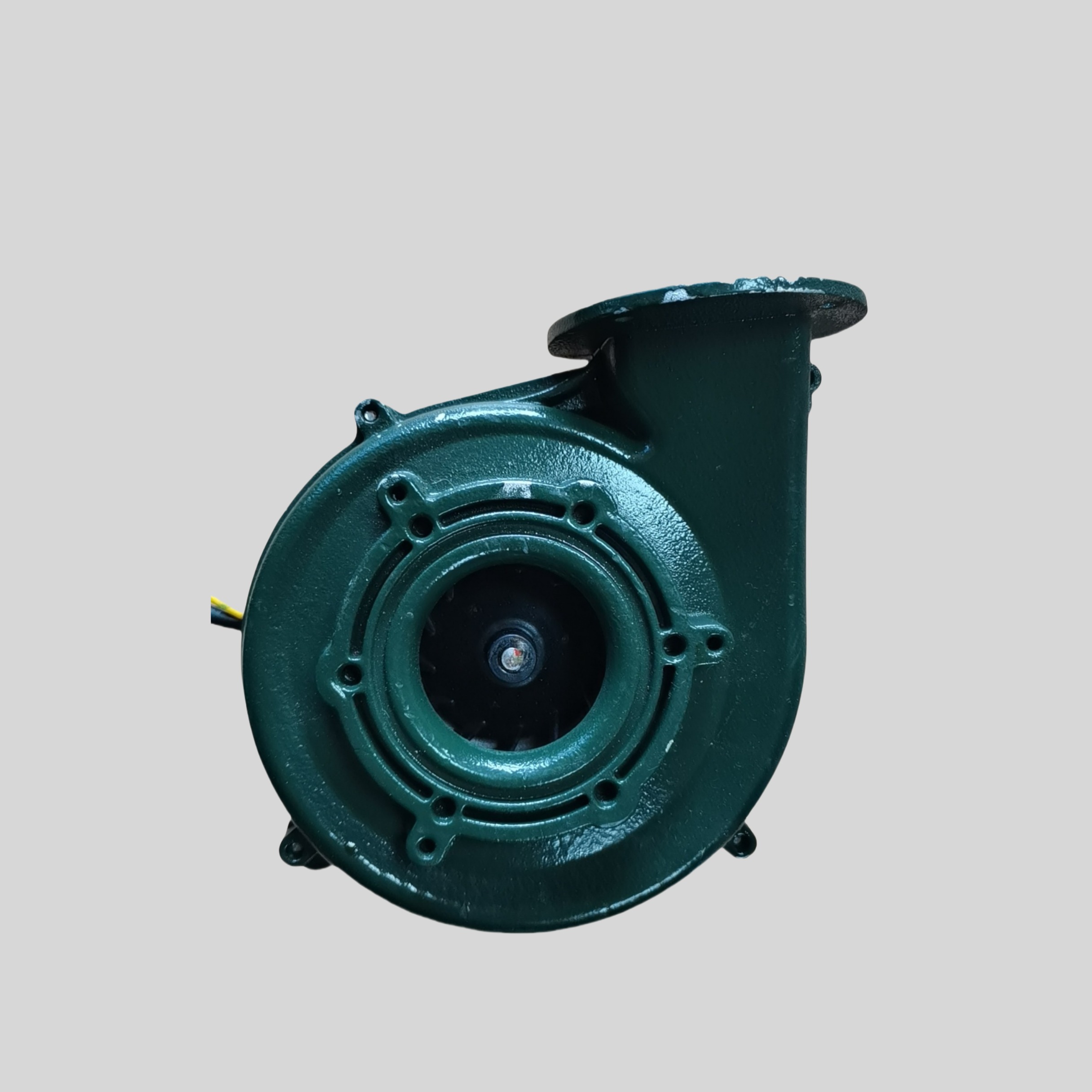
Compact High-Efficiency Micro Motor for Robotics
-
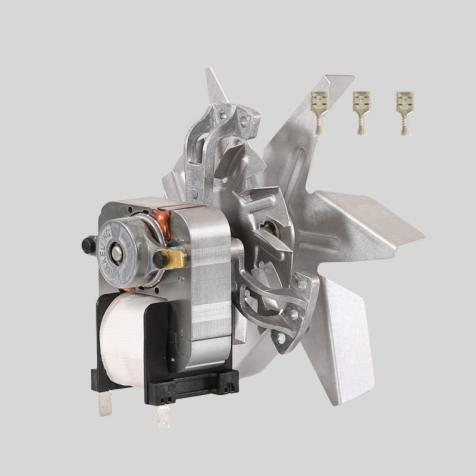
Shaded-Pole Induction Motor | Compact AC Motor for Appliances
-
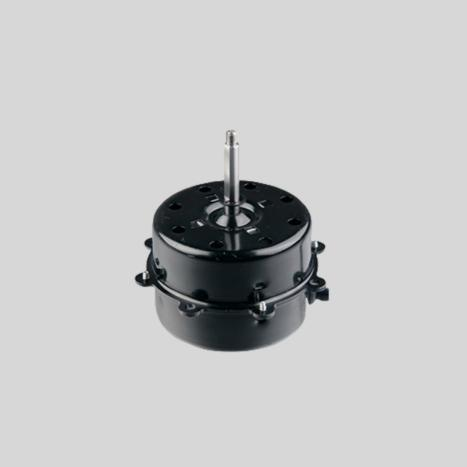
Best Kitchen-aid range hood brush-less blower ac dc fan motor cost
-
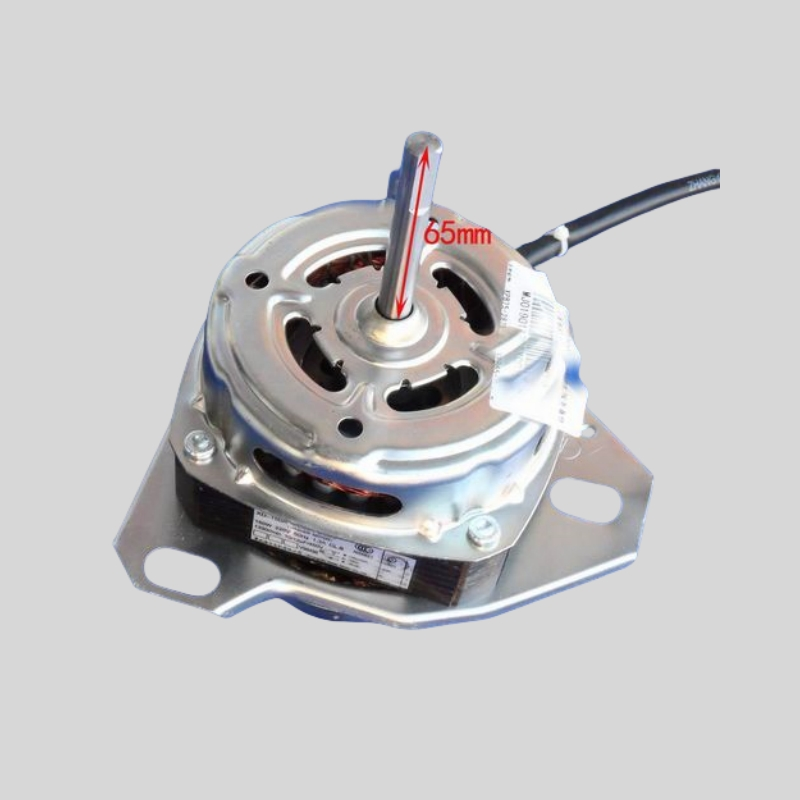
BLDC Washing Machine Motor | High Efficiency & OEM Ready
-
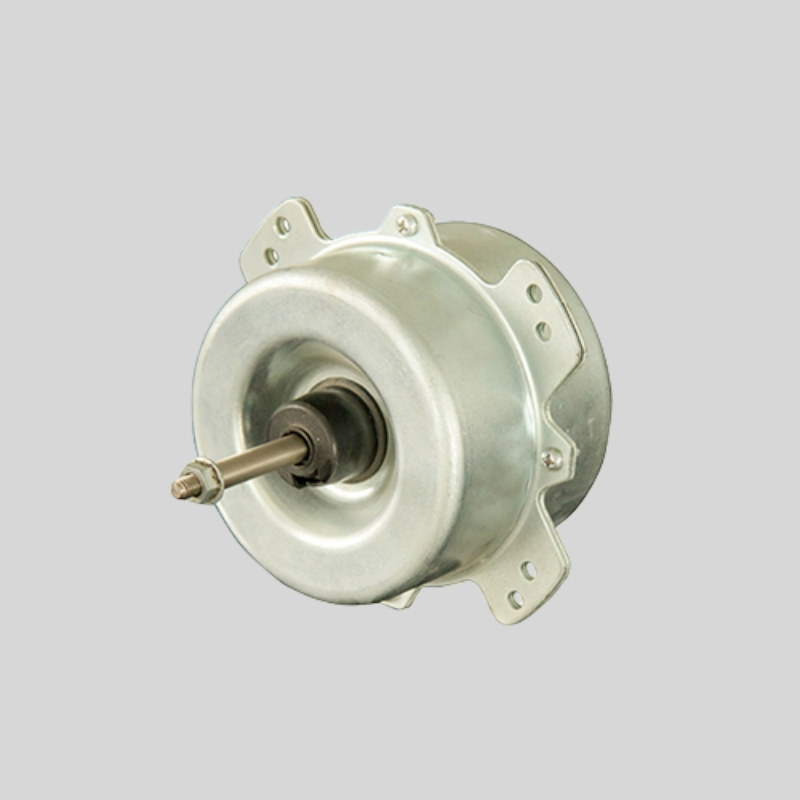
Mini small motor for food processing machine
-
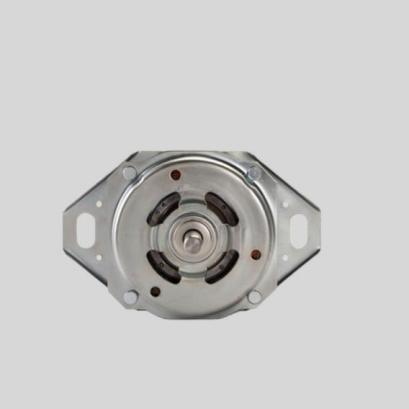
Fully automatic three phase AC variable frequency drum motor
-
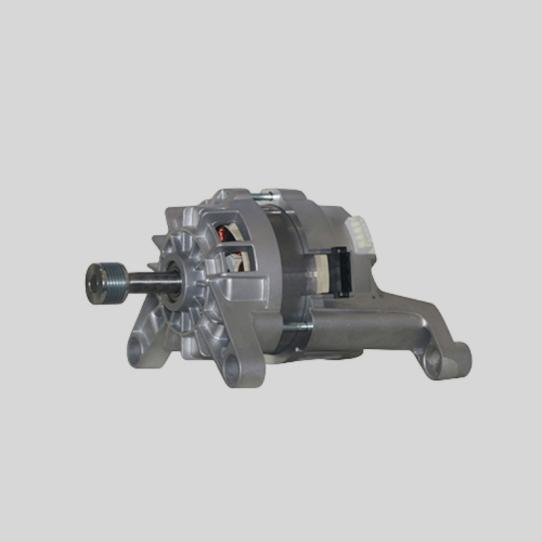
DC Variable-Frequency Drum Motor for Washing Machine
-
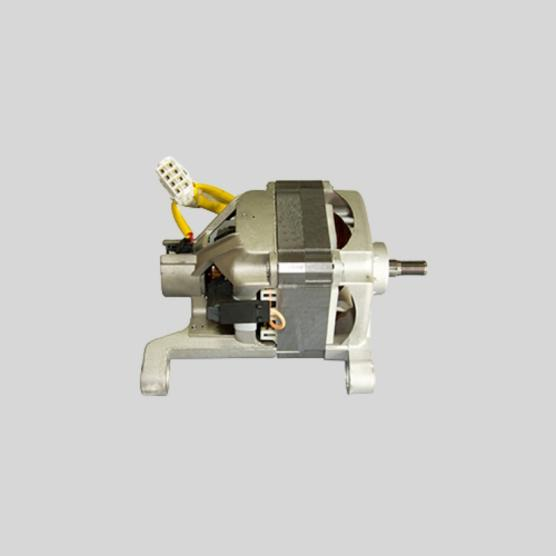
High Torque AC Motor for Drum Washing Machines
The Frequent FAQs of Micro Motor
What is a micro motor used for?▾
Micro motors, small but powerful electric motors, have become indispensable across various industries due to their compact size and impressive capabilities. These miniature powerhouses are designed to fit into tight spaces while delivering high torque and rotational speeds, making them essential components in applications where size constraints and performance are critical. In this article, we will explore the diverse uses of micro motors and understand how they contribute to advancements in multiple fields.
In the automotive sector, micro motors play crucial roles in enhancing both vehicle efficiency and driver comfort. Electric power steering systems, for example, utilize micro motors to control the amount of assistance a driver receives when turning the steering wheel. This ensures smooth and responsive handling. Micro motors are also found in door locks, window regulators, and seats, providing precise and reliable control over these components. These motors help modern vehicles achieve higher levels of automation and user convenience, contributing to an improved driving experience.
Micro motors are pivotal in the development of various industrial and consumer electronics. They are used in household appliances like shavers, hair dryers, coffee makers, and vacuum cleaners, delivering the power needed to drive these devices efficiently. In industrial machinery, micro motors drive pumps, fans, and compressors, ensuring optimal performance and energy efficiency. Their ability to provide precise speed and torque control makes them suitable for applications requiring exact movements.
The field of robotics heavily relies on micro motors for their ability to perform precise and intricate tasks. Robots use micro motors to achieve tasks such as grasping objects, moving parts, and completing automated processes. The precision of these motors allows robots to perform delicate operations that would be challenging for larger motors. This capability is crucial for applications in manufacturing, healthcare, and service industries, where precise and reliable robotic actions are necessary.
In aerospace and aviation, micro motors are essential for performing critical functions such as actuating valves, controlling airflow, and powering landing gear systems. The reliability and efficiency of micro motors make them suitable for use in challenging environments where performance and dependability are paramount. Their compact size also contributes to weight savings, which is a crucial factor in aerospace applications.
Micro motors are also making significant contributions to modern agricultural practices. They are used to power equipment like irrigation pumps and harvesters, improving the efficiency and precision of these machines. The ability of micro motors to provide reliable performance under demanding conditions makes them ideal for agricultural applications, where consistent and robust operation is required.
Micro motors have become vital across numerous industries due to their compact size, high power, and precise control capabilities. From medical devices to industrial machinery, automotive systems to robotics, and aerospace to agriculture, these miniature powerhouses are driving innovation and enhancing the efficiency of countless applications. As technology continues to advance, the demand for micro motors from Micro Motor Manufacturer is expected to grow, further solidifying their importance in the modern world. By understanding their diverse applications, we can better appreciate the role these tiny motors play in powering the future.
Automotive Industry
● Enhancing Vehicle Efficiency and Comfort
In the automotive sector, micro motors play crucial roles in enhancing both vehicle efficiency and driver comfort. Electric power steering systems, for example, utilize micro motors to control the amount of assistance a driver receives when turning the steering wheel. This ensures smooth and responsive handling. Micro motors are also found in door locks, window regulators, and seats, providing precise and reliable control over these components. These motors help modern vehicles achieve higher levels of automation and user convenience, contributing to an improved driving experience.
Industrial and Consumer Electronics
● Driving Innovation in Everyday Devices
Micro motors are pivotal in the development of various industrial and consumer electronics. They are used in household appliances like shavers, hair dryers, coffee makers, and vacuum cleaners, delivering the power needed to drive these devices efficiently. In industrial machinery, micro motors drive pumps, fans, and compressors, ensuring optimal performance and energy efficiency. Their ability to provide precise speed and torque control makes them suitable for applications requiring exact movements.
Robotics and Automation
● Enabling Advanced Robotics
The field of robotics heavily relies on micro motors for their ability to perform precise and intricate tasks. Robots use micro motors to achieve tasks such as grasping objects, moving parts, and completing automated processes. The precision of these motors allows robots to perform delicate operations that would be challenging for larger motors. This capability is crucial for applications in manufacturing, healthcare, and service industries, where precise and reliable robotic actions are necessary.
Aerospace and Aviation
● Critical Functions in Aircraft
In aerospace and aviation, micro motors are essential for performing critical functions such as actuating valves, controlling airflow, and powering landing gear systems. The reliability and efficiency of micro motors make them suitable for use in challenging environments where performance and dependability are paramount. Their compact size also contributes to weight savings, which is a crucial factor in aerospace applications.
Agricultural Equipment
● Revolutionizing Farming Practices
Micro motors are also making significant contributions to modern agricultural practices. They are used to power equipment like irrigation pumps and harvesters, improving the efficiency and precision of these machines. The ability of micro motors to provide reliable performance under demanding conditions makes them ideal for agricultural applications, where consistent and robust operation is required.
Conclusion
Micro motors have become vital across numerous industries due to their compact size, high power, and precise control capabilities. From medical devices to industrial machinery, automotive systems to robotics, and aerospace to agriculture, these miniature powerhouses are driving innovation and enhancing the efficiency of countless applications. As technology continues to advance, the demand for micro motors from Micro Motor Manufacturer is expected to grow, further solidifying their importance in the modern world. By understanding their diverse applications, we can better appreciate the role these tiny motors play in powering the future.
What is the most powerful micro motor?▾
When discussing the most powerful micro motor available today, it is essential to explore the intricacies and advancements in DC motor technology. These miniature powerhouses, often overlooked, play a pivotal role in numerous applications ranging from medical devices to high-precision industrial equipment. The evolution of DC micro motors has led to a significant leap in their performance capabilities, enabling them to deliver remarkable power output despite their small size.
The journey of micro motor technology has been one of continuous innovation and refinement. In the early stages, micro motors were primarily utilized in low-power applications where efficiency and size were critical factors. However, with advancements in materials science, manufacturing techniques, and electrical engineering, the capabilities of these tiny motors have been dramatically enhanced. Today, DC micro motors are engineered to provide superior torque, speed, and efficiency, making them indispensable in various high-demand sectors.
The core of a powerful micro motor lies in its design and the quality of its components. Modern DC micro motors are built using high-grade materials such as neodymium magnets, which provide a robust magnetic field, and advanced winding techniques that ensure optimal current flow. These elements combined contribute to a motor that can deliver exceptional performance while maintaining minimal size.
Several critical factors determine the power and efficiency of a micro motor. Torque, speed, and efficiency are the primary parameters that engineers focus on to assess a motor's performance. Torque is a measure of the rotational force the motor can generate, which is crucial for applications requiring high precision and strength. Speed, measured in rotations per minute (RPM), indicates how fast the motor can operate, which is essential for tasks demanding swift and consistent performance.
Efficiency is another vital aspect, particularly in battery-powered applications where energy conservation is paramount. High-efficiency DC micro motors convert more electrical energy into mechanical energy, reducing waste and ensuring prolonged operation. The balance between these parameters is what defines the most powerful micro motors on the market.
The versatility of DC micro motors makes them suitable for a wide range of applications. In the medical field, these motors enable the precise operation of surgical tools and diagnostic equipment. Their high torque and compact size allow for intricate and delicate procedures that require consistent and reliable performance.
In the industrial realm, DC micro motors are integral to automation and robotics. Their ability to provide high power in a compact form factor makes them ideal for robotic arms and automated machinery, where space and efficiency are at a premium. These motors contribute to improved productivity and precision, driving advancements in manufacturing and assembly processes.
The future of DC micro motors is poised for further innovation, with ongoing research focused on enhancing their power density and efficiency. Emerging technologies such as advanced magnetic materials, improved cooling systems, and sophisticated control algorithms are set to push the boundaries of what these tiny motors can achieve. Additionally, the integration of smart sensors and IoT capabilities will enable even greater precision and control, opening up new possibilities for their application in cutting-edge technologies.
In conclusion, the most powerful micro motors today are the result of meticulous design, advanced materials, and innovative engineering. DC micro motors, in particular, stand out due to their superior performance parameters and versatility. As technology continues to evolve, these miniature marvels will undoubtedly play an even more significant role in shaping the future of various industries, from healthcare to industrial automation.
The Evolution of Micro Motor Technology
The journey of micro motor technology has been one of continuous innovation and refinement. In the early stages, micro motors were primarily utilized in low-power applications where efficiency and size were critical factors. However, with advancements in materials science, manufacturing techniques, and electrical engineering, the capabilities of these tiny motors have been dramatically enhanced. Today, DC micro motors are engineered to provide superior torque, speed, and efficiency, making them indispensable in various high-demand sectors.
The core of a powerful micro motor lies in its design and the quality of its components. Modern DC micro motors are built using high-grade materials such as neodymium magnets, which provide a robust magnetic field, and advanced winding techniques that ensure optimal current flow. These elements combined contribute to a motor that can deliver exceptional performance while maintaining minimal size.
Performance Parameters of Powerful Micro Motors
Several critical factors determine the power and efficiency of a micro motor. Torque, speed, and efficiency are the primary parameters that engineers focus on to assess a motor's performance. Torque is a measure of the rotational force the motor can generate, which is crucial for applications requiring high precision and strength. Speed, measured in rotations per minute (RPM), indicates how fast the motor can operate, which is essential for tasks demanding swift and consistent performance.
Efficiency is another vital aspect, particularly in battery-powered applications where energy conservation is paramount. High-efficiency DC micro motors convert more electrical energy into mechanical energy, reducing waste and ensuring prolonged operation. The balance between these parameters is what defines the most powerful micro motors on the market.
Applications of High-Power DC Micro Motors
The versatility of DC micro motors makes them suitable for a wide range of applications. In the medical field, these motors enable the precise operation of surgical tools and diagnostic equipment. Their high torque and compact size allow for intricate and delicate procedures that require consistent and reliable performance.
In the industrial realm, DC micro motors are integral to automation and robotics. Their ability to provide high power in a compact form factor makes them ideal for robotic arms and automated machinery, where space and efficiency are at a premium. These motors contribute to improved productivity and precision, driving advancements in manufacturing and assembly processes.
Future Prospects and Innovations
The future of DC micro motors is poised for further innovation, with ongoing research focused on enhancing their power density and efficiency. Emerging technologies such as advanced magnetic materials, improved cooling systems, and sophisticated control algorithms are set to push the boundaries of what these tiny motors can achieve. Additionally, the integration of smart sensors and IoT capabilities will enable even greater precision and control, opening up new possibilities for their application in cutting-edge technologies.
In conclusion, the most powerful micro motors today are the result of meticulous design, advanced materials, and innovative engineering. DC micro motors, in particular, stand out due to their superior performance parameters and versatility. As technology continues to evolve, these miniature marvels will undoubtedly play an even more significant role in shaping the future of various industries, from healthcare to industrial automation.
What are the different types of micro motors?▾
Micro motors, as miniature electromechanical devices, perform pivotal roles in numerous applications, ranging from medical devices to industrial automation and consumer electronics. Their small size allows them to be used in compact spaces while delivering precise control and high efficiency. This article delves into the various types of micro motors available and their specific applications, shedding light on the diverse landscape of miniature motor technology.
Micro motors are broadly classified based on their operating principles and mechanisms. The main categories include DC micro motors, stepper micro motors, and servo micro motors. Each type has unique characteristics that make it suitable for specific functions and applications.
DC micro motors are perhaps the most commonly used type, characterized by their simplicity and ease of control. These motors operate on direct current and can be distinguished into two sub-types: brushed and brushless DC (BLDC) motors. Brushed DC motors use a commutator and brushes to deliver current to the motor windings, making them simple yet effective for low-cost applications. Conversely, brushless DC motors, which eliminate brushes and commutators, offer higher efficiency, longer lifespan, and quieter operation. These properties make BLDC motors ideal for high-performance applications, including drones, medical devices, and precision instruments.
Stepper micro motors operate by dividing a full rotation into a number of equal steps, providing precise control of angular position. These motors are widely utilized in applications that require accurate positioning and repeatability, such as 3D printers, CNC machines, and camera platforms. Stepper motors can be of various types, including permanent magnet, variable reluctance, and hybrid stepper motors. Each type offers specific advantages, such as increased torque or enhanced resolution, catering to different precision requirements in their respective applications.
Servo micro motors are essentially a combination of a DC motor, a position sensor, and a control circuit. These motors provide high torque over a wide range of speeds and can be precisely controlled using feedback mechanisms from the position sensor. This makes servo motors suitable for dynamic applications that require precise control of position, speed, and acceleration. Common uses include robotic arms, automation systems, and specialized medical equipment. Micro Motor Manufacturer often integrates advanced control algorithms into servo motors to enhance their performance and adaptability.
Beyond the primary categories, several specialized types of micro motors cater to niche applications. These include piezoelectric motors, ultrasonic motors, and electrostatic motors.
Piezoelectric motors exploit the piezoelectric effect, where certain materials generate an electric charge in response to mechanical stress. These motors offer ultra-high precision and can operate in extremely small sizes, making them invaluable in medical devices, micro-electromechanical systems (MEMS), and specialized scientific instrumentation.
Ultrasonic motors use ultrasonic vibrations to generate movement, providing smooth and silent operation. These motors are particularly beneficial in applications where noise reduction is crucial, such as in medical imaging equipment and precision optics.
Electrostatic motors utilize electrostatic forces to create motion, often used in MEMS applications. Their design allows for very small dimensions and precise control, suitable for integrated circuits and micro-scale robotics.
In conclusion, the diverse range of micro motors available today addresses a wide spectrum of application needs. From the simplicity and cost-effectiveness of DC micro motors to the precision of stepper and servo motors, and the specialized capabilities of piezoelectric, ultrasonic, and electrostatic motors, each type offers distinct advantages. As technology advances, Micro Motor Manufacturer continues to innovate, pushing the boundaries of what these tiny yet powerful devices can achieve. Their ongoing developments ensure that micro motors remain at the forefront of modern engineering and technological applications.
● Classification of Micro Motors
Micro motors are broadly classified based on their operating principles and mechanisms. The main categories include DC micro motors, stepper micro motors, and servo micro motors. Each type has unique characteristics that make it suitable for specific functions and applications.
● ○ DC Micro Motors
○ DC Micro Motors
DC micro motors are perhaps the most commonly used type, characterized by their simplicity and ease of control. These motors operate on direct current and can be distinguished into two sub-types: brushed and brushless DC (BLDC) motors. Brushed DC motors use a commutator and brushes to deliver current to the motor windings, making them simple yet effective for low-cost applications. Conversely, brushless DC motors, which eliminate brushes and commutators, offer higher efficiency, longer lifespan, and quieter operation. These properties make BLDC motors ideal for high-performance applications, including drones, medical devices, and precision instruments.
● ○ Stepper Micro Motors
○ Stepper Micro Motors
Stepper micro motors operate by dividing a full rotation into a number of equal steps, providing precise control of angular position. These motors are widely utilized in applications that require accurate positioning and repeatability, such as 3D printers, CNC machines, and camera platforms. Stepper motors can be of various types, including permanent magnet, variable reluctance, and hybrid stepper motors. Each type offers specific advantages, such as increased torque or enhanced resolution, catering to different precision requirements in their respective applications.
● ○ Servo Micro Motors
○ Servo Micro Motors
Servo micro motors are essentially a combination of a DC motor, a position sensor, and a control circuit. These motors provide high torque over a wide range of speeds and can be precisely controlled using feedback mechanisms from the position sensor. This makes servo motors suitable for dynamic applications that require precise control of position, speed, and acceleration. Common uses include robotic arms, automation systems, and specialized medical equipment. Micro Motor Manufacturer often integrates advanced control algorithms into servo motors to enhance their performance and adaptability.
● Specialized Types of Micro Motors
Beyond the primary categories, several specialized types of micro motors cater to niche applications. These include piezoelectric motors, ultrasonic motors, and electrostatic motors.
● ○ Piezoelectric Motors
○ Piezoelectric Motors
Piezoelectric motors exploit the piezoelectric effect, where certain materials generate an electric charge in response to mechanical stress. These motors offer ultra-high precision and can operate in extremely small sizes, making them invaluable in medical devices, micro-electromechanical systems (MEMS), and specialized scientific instrumentation.
● ○ Ultrasonic Motors
○ Ultrasonic Motors
Ultrasonic motors use ultrasonic vibrations to generate movement, providing smooth and silent operation. These motors are particularly beneficial in applications where noise reduction is crucial, such as in medical imaging equipment and precision optics.
● ○ Electrostatic Motors
○ Electrostatic Motors
Electrostatic motors utilize electrostatic forces to create motion, often used in MEMS applications. Their design allows for very small dimensions and precise control, suitable for integrated circuits and micro-scale robotics.
● Conclusion
In conclusion, the diverse range of micro motors available today addresses a wide spectrum of application needs. From the simplicity and cost-effectiveness of DC micro motors to the precision of stepper and servo motors, and the specialized capabilities of piezoelectric, ultrasonic, and electrostatic motors, each type offers distinct advantages. As technology advances, Micro Motor Manufacturer continues to innovate, pushing the boundaries of what these tiny yet powerful devices can achieve. Their ongoing developments ensure that micro motors remain at the forefront of modern engineering and technological applications.
What is the function of the micromotor?▾
Micromotors are small electric motors designed to fit into compact spaces while delivering high power. Operating on the same basic principles as larger motors, micromotors are indispensable in many modern devices, ranging from medical equipment to household appliances and industrial machinery. Their primary function is to convert electrical energy into mechanical energy, thereby enabling the precise control of movement and torque in various applications.
Micromotors are essential in industries where precision and miniaturization are critical. In the medical field, they power devices such as insulin pumps, pacemakers, and surgical tools. Their small size allows them to fit into tight spaces within the human body, minimizing tissue damage during operations. For instance, micromotors are used in endoscopic and laparoscopic equipment, providing surgeons with enhanced control and precision.
In the automotive industry, micromotors contribute significantly to the functionality and convenience of modern vehicles. They are employed in electric power steering systems, ensuring smooth and efficient assistance to the driver. Furthermore, they control the operation of door locks and windows, making these features more reliable and user-friendly. Micromotors also play a pivotal role in other vehicle systems, such as air conditioning units and engine management systems, enhancing overall vehicle performance and safety.
There are various types of micromotors, each suited to specific applications. The most common types include DC micro motors, stepper motors, and brushless DC motors (BLDC). DC micro motors convert direct current into mechanical energy through the interaction of a magnetic field and an electric current. Stepper motors, on the other hand, move in precise increments, making them ideal for applications requiring high precision, such as robotics and automated systems. BLDC motors represent a significant advancement in micromotor technology. They use permanent magnets and electronic commutation, resulting in higher efficiency and reliability. The absence of brushes in BLDC motors reduces friction, wear, and tear, thus requiring less maintenance.
One of the major advantages of micromotors is their compact size. Despite being as small as a few millimeters in diameter, they can deliver impressive torque and rotational speed. This makes them suitable for miniature machines and devices where space is at a premium. Additionally, their ability to provide precise control over speed and torque makes them valuable in applications ranging from household appliances to sophisticated aerospace equipment.
Micromotors are also widely used in household appliances such as shavers, hair dryers, coffee makers, and vacuum cleaners. In industrial settings, they drive machinery like pumps, fans, and compressors, ensuring efficient and reliable operation. In the field of robotics, micromotors enable tasks such as grasping objects and moving parts, facilitating intricate and precise movements required in various robotic applications.
Understanding the function and applications of micromotors reveals their critical role in modern technology. These small yet powerful devices serve a multitude of industries, from healthcare to automotive to household appliances, providing precise control and efficient performance. With advancements in micromotor technology, such as the development of BLDC motors, their reliability and efficiency continue to improve, making them indispensable in various cutting-edge applications.
For those seeking high-quality micromotor components, a Micro Motor Manufacturer offers an extensive range of products, including custom stator and rotor lamination designs. By leveraging advanced technologies and stringent quality control processes, these manufacturers ensure the delivery of top-notch micromotor solutions tailored to meet diverse application requirements.
● Functionality and Applications
Micromotors are essential in industries where precision and miniaturization are critical. In the medical field, they power devices such as insulin pumps, pacemakers, and surgical tools. Their small size allows them to fit into tight spaces within the human body, minimizing tissue damage during operations. For instance, micromotors are used in endoscopic and laparoscopic equipment, providing surgeons with enhanced control and precision.
In the automotive industry, micromotors contribute significantly to the functionality and convenience of modern vehicles. They are employed in electric power steering systems, ensuring smooth and efficient assistance to the driver. Furthermore, they control the operation of door locks and windows, making these features more reliable and user-friendly. Micromotors also play a pivotal role in other vehicle systems, such as air conditioning units and engine management systems, enhancing overall vehicle performance and safety.
● Types and Advantages
There are various types of micromotors, each suited to specific applications. The most common types include DC micro motors, stepper motors, and brushless DC motors (BLDC). DC micro motors convert direct current into mechanical energy through the interaction of a magnetic field and an electric current. Stepper motors, on the other hand, move in precise increments, making them ideal for applications requiring high precision, such as robotics and automated systems. BLDC motors represent a significant advancement in micromotor technology. They use permanent magnets and electronic commutation, resulting in higher efficiency and reliability. The absence of brushes in BLDC motors reduces friction, wear, and tear, thus requiring less maintenance.
One of the major advantages of micromotors is their compact size. Despite being as small as a few millimeters in diameter, they can deliver impressive torque and rotational speed. This makes them suitable for miniature machines and devices where space is at a premium. Additionally, their ability to provide precise control over speed and torque makes them valuable in applications ranging from household appliances to sophisticated aerospace equipment.
● Industrial and Household Use
Micromotors are also widely used in household appliances such as shavers, hair dryers, coffee makers, and vacuum cleaners. In industrial settings, they drive machinery like pumps, fans, and compressors, ensuring efficient and reliable operation. In the field of robotics, micromotors enable tasks such as grasping objects and moving parts, facilitating intricate and precise movements required in various robotic applications.
● Conclusion
Understanding the function and applications of micromotors reveals their critical role in modern technology. These small yet powerful devices serve a multitude of industries, from healthcare to automotive to household appliances, providing precise control and efficient performance. With advancements in micromotor technology, such as the development of BLDC motors, their reliability and efficiency continue to improve, making them indispensable in various cutting-edge applications.
For those seeking high-quality micromotor components, a Micro Motor Manufacturer offers an extensive range of products, including custom stator and rotor lamination designs. By leveraging advanced technologies and stringent quality control processes, these manufacturers ensure the delivery of top-notch micromotor solutions tailored to meet diverse application requirements.
What is the difference between a stepper motor and a micromotor?▾
Understanding the difference between a stepper motor and a micromotor is crucial for anyone involved in fields such as robotics, automation, and precision engineering. Both types of motors serve unique functions and offer distinct advantages, making them suitable for specific applications. Here, we delve into the core differences between these two motor types, emphasizing their operational principles, performance characteristics, and typical use cases.
Stepper motors operate based on the principle of electromagnetic induction. They convert electrical pulses into discrete mechanical movements, allowing for precise control over the rotation angle of their shaft. Each pulse sent to the motor corresponds to a specific increment of rotation, known as a "step." This feature enables stepper motors to achieve high levels of accuracy and repeatability, making them ideal for tasks that require exact positioning such as 3D printing and CNC machining.
, on the other hand, are characterized by their small size and typically direct current (DC) operation. These motors generate rotary motion through the continuous application of a driving voltage. Unlike stepper motors, micromotors do not require pulse signals to function; instead, they rely on a constant DC voltage to maintain their operation. This makes micromotors highly efficient and suitable for applications where smooth, continuous motion is needed, such as in small medical devices and precision instruments.
One of the standout features of stepper motors is their precision. The ability to control small increments of shaft rotation allows for intricate and detailed movements. This precision is further enhanced by the inherent "holding torque" of stepper motors, which helps maintain a position even when not moving.
, while not as inherently precise as stepper motors, excel in providing smooth and continuous motion. They are often favored in scenarios where the motor needs to run without interruption or fluctuations, offering a more seamless operational experience.
Stepper motors are known to produce more noise and vibration compared to micromotors, primarily due to the repetitive pulsing required for their operation. This can be a disadvantage in applications where quiet operation is critical.
, particularly those designed for low-noise performance, tend to operate more quietly. This characteristic makes them suitable for applications in environments where minimal noise is essential, such as in laboratory equipment and consumer electronics.
in Automation
Due to their precision and accuracy, stepper motors are commonly used in automated systems, especially in industrial automation and robotics. They are ideal for processes that require exact positioning and repeatability. Examples include pick-and-place machines, automated assembly lines, and robotic arms.
in Medical Devices
find extensive use in medical devices due to their small size and efficiency. They are often integrated into devices that require subtle and continuous movement, such as infusion pumps, dental tools, and surgical robots. The smooth operation of micromotors ensures that these medical devices can function with the necessary precision without causing discomfort or noise that could disturb delicate procedures.
Both stepper motors and micromotors can be based on DC motor technology. In the case of micromotors, DC motors are commonly used due to their simplicity, reliability, and ease of control. The integration of DC motors in micromotors enhances their efficiency and makes them compatible with various battery-operated and portable applications.
Stepper motors, while inherently different in their control mechanism, can also incorporate DC motor principles to some extent. The hybrid stepper motor, for example, combines the features of both permanent magnet and variable reluctance stepper motors, often benefiting from the simplicity and robustness of DC motor design.
In conclusion, the choice between a stepper motor and a micromotor hinges on the specific requirements of the application at hand. Stepper motors offer unparalleled precision and controllability, which is essential for tasks demanding high accuracy. On the other hand, micromotors provide efficient, smooth, and continuous motion, making them suitable for applications where seamless operation is paramount. Understanding these differences is key to selecting the right motor for your needs, ensuring optimal performance and reliability in your projects.
Operational Principles
● Stepper Motors
Stepper motors operate based on the principle of electromagnetic induction. They convert electrical pulses into discrete mechanical movements, allowing for precise control over the rotation angle of their shaft. Each pulse sent to the motor corresponds to a specific increment of rotation, known as a "step." This feature enables stepper motors to achieve high levels of accuracy and repeatability, making them ideal for tasks that require exact positioning such as 3D printing and CNC machining.
● Micromotors
● Micromotors
, on the other hand, are characterized by their small size and typically direct current (DC) operation. These motors generate rotary motion through the continuous application of a driving voltage. Unlike stepper motors, micromotors do not require pulse signals to function; instead, they rely on a constant DC voltage to maintain their operation. This makes micromotors highly efficient and suitable for applications where smooth, continuous motion is needed, such as in small medical devices and precision instruments.Performance Characteristics
● Precision and Control
One of the standout features of stepper motors is their precision. The ability to control small increments of shaft rotation allows for intricate and detailed movements. This precision is further enhanced by the inherent "holding torque" of stepper motors, which helps maintain a position even when not moving.
● Micromotors
, while not as inherently precise as stepper motors, excel in providing smooth and continuous motion. They are often favored in scenarios where the motor needs to run without interruption or fluctuations, offering a more seamless operational experience.● Noise and Vibration
Stepper motors are known to produce more noise and vibration compared to micromotors, primarily due to the repetitive pulsing required for their operation. This can be a disadvantage in applications where quiet operation is critical.
● Micromotors
, particularly those designed for low-noise performance, tend to operate more quietly. This characteristic makes them suitable for applications in environments where minimal noise is essential, such as in laboratory equipment and consumer electronics.Applications and Use Cases
● Stepper Motors
in AutomationDue to their precision and accuracy, stepper motors are commonly used in automated systems, especially in industrial automation and robotics. They are ideal for processes that require exact positioning and repeatability. Examples include pick-and-place machines, automated assembly lines, and robotic arms.
● Micromotors
in Medical Devices● Micromotors
find extensive use in medical devices due to their small size and efficiency. They are often integrated into devices that require subtle and continuous movement, such as infusion pumps, dental tools, and surgical robots. The smooth operation of micromotors ensures that these medical devices can function with the necessary precision without causing discomfort or noise that could disturb delicate procedures.Integration of DC Motors
Both stepper motors and micromotors can be based on DC motor technology. In the case of micromotors, DC motors are commonly used due to their simplicity, reliability, and ease of control. The integration of DC motors in micromotors enhances their efficiency and makes them compatible with various battery-operated and portable applications.
Stepper motors, while inherently different in their control mechanism, can also incorporate DC motor principles to some extent. The hybrid stepper motor, for example, combines the features of both permanent magnet and variable reluctance stepper motors, often benefiting from the simplicity and robustness of DC motor design.
In conclusion, the choice between a stepper motor and a micromotor hinges on the specific requirements of the application at hand. Stepper motors offer unparalleled precision and controllability, which is essential for tasks demanding high accuracy. On the other hand, micromotors provide efficient, smooth, and continuous motion, making them suitable for applications where seamless operation is paramount. Understanding these differences is key to selecting the right motor for your needs, ensuring optimal performance and reliability in your projects.
 Privacy settings