
Introduction to Linear Actuators
Linear actuators are essential components in a myriad of applications, spanning across industries such as manufacturing, aerospace, automotive, and more. They serve the critical function of converting rotational motion into linear motion, thereby enabling machinery to perform precise movements. With a diverse range of types and designs, linear actuators ensure that machines operate efficiently and accurately. As technology evolves, the demand for reliable linear motion systems continues to grow. This article explores the four primary types of linear actuators: mechanical/electromechanical, hydraulic, pneumatic, and piezoelectric. Each type has unique characteristics that make it suitable for specific applications.
Mechanical/Electromechanical Linear Actuators
● Definition and Working Principle
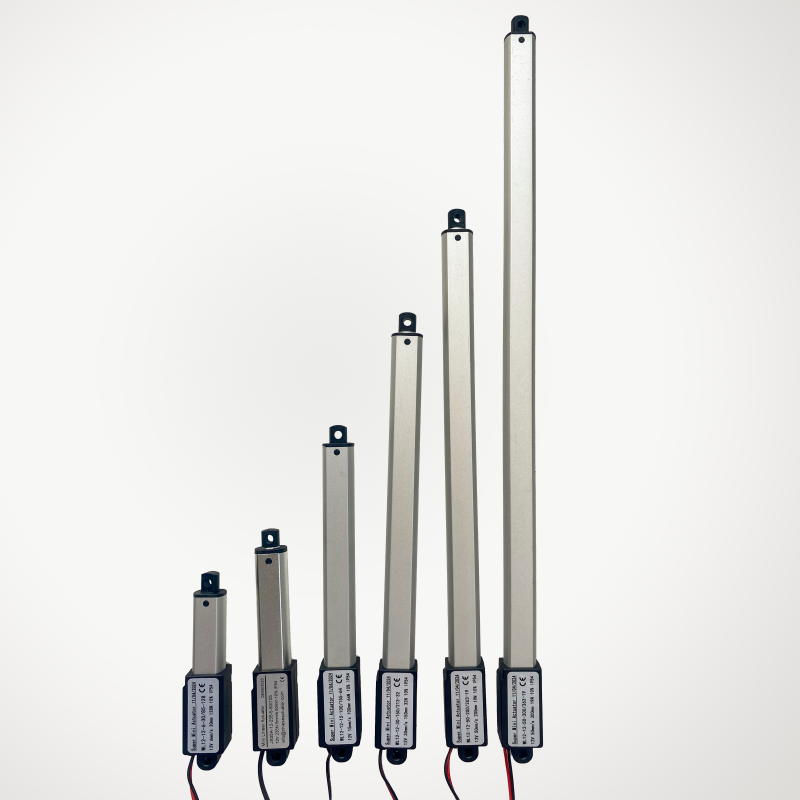
Mechanical or electromechanical linear actuators are devices that transform rotational motion into linear motion, usually using a power source like a motor. This category includes actuators driven by internal mechanisms such as motors, or manually operated systems. The transformation is typically achieved through screw mechanisms (ball screw, roller screw, or lead screw systems), wheel and axle systems, or cam mechanisms. These actuators are widely utilized in industrial automation due to their ability to provide precise control over motion.
● Applications in Industrial Automation
Mechanical/electromechanical actuators are critical in industries that require precise positioning and movement control. Common applications include robotic arms, CNC machines, and various types of conveyors. The versatility and precision offered by these actuators make them indispensable in manufacturing processes where accuracy is paramount. Moreover, their ability to be easily integrated with electronic control systems further enhances their utility in automated environments.
Benefits of Mechanical/Electromechanical Actuators
● Precision and Control Advantages
One of the primary advantages of mechanical/electromechanical linear actuators is their ability to provide high precision and control. Thanks to the integration of electronic components, these actuators can be programmed to perform complex motion tasks with a high degree of accuracy. This makes them ideal for applications where precision is critical, such as in semiconductor manufacturing and medical equipment.
● Cost-Effectiveness and Durability
Mechanical/electromechanical actuators are often more cost-effective than their hydraulic or pneumatic counterparts. The lack of fluid systems reduces maintenance requirements and potential leakages, leading to lower long-term operational costs. Additionally, the materials used in these actuators, often robust alloys and industrial-grade plastics, contribute to their durability and long service life, making them a preferred choice for various industries.
Hydraulic Linear Actuators: Functionality and Features
● Operating Mechanism of Hydraulic Actuators
Hydraulic linear actuators operate based on the principle of fluid dynamics. They use pressurized hydraulic fluids, typically oils, to generate motion. This technology has been refined over centuries, offering a robust solution for applications requiring substantial force. By varying the pressure of the fluid, precise control of the actuator's speed and position can be achieved.
● High Force Applications and Industries
The ability of hydraulic actuators to exert significant force makes them invaluable in heavy-duty applications. Industries such as construction, aerospace, and marine engineering rely on hydraulic actuators for tasks that require lifting or moving heavy loads. Examples include cranes, aircraft control surfaces, and ship steering systems. The capacity to provide consistent force and power in challenging conditions underscores their importance in these sectors.
Advantages and Limitations of Hydraulic Actuators
● Power Density and Efficiency
Hydraulic actuators are renowned for their power density, delivering high force outputs relative to their size. This makes them highly efficient in terms of space utilization, especially in applications where space is at a premium. Furthermore, their capability to deliver constant torque and force across their entire stroke range enhances their efficiency.
● Maintenance and Potential Drawbacks
Despite their advantages, hydraulic actuators come with certain limitations. They can be prone to leaks and require regular maintenance to ensure optimal performance. The necessity for ancillary equipment such as pumps, fluid reservoirs, and valves can increase the complexity and cost of hydraulic systems. Additionally, noise and heat generation can be issues, particularly in environments where quiet operation and temperature control are essential.
Pneumatic Linear Actuators: Basics and Uses
● How Pneumatic Actuators Operate
Pneumatic linear actuators utilize compressed air or gas to produce linear movement. The basic design involves a cylinder, in which a piston is moved by the pressure of the compressed air. Modern pneumatic systems are often powered by electric compressors, ensuring a steady supply of pressurized air to the actuators.
● Common Applications in Automation
Pneumatic actuators are prevalent in industries that prioritize high-speed operations over large force outputs. Applications include automated assembly processes, packaging machinery, and material handling systems. They are also used in sectors such as agriculture and food processing, thanks to their clean operation and compliance with sanitary standards.
Key Benefits of Pneumatic Actuators
● Speed and Simplicity
One of the standout features of pneumatic actuators is their ability to operate at high speeds. This makes them ideal for applications requiring rapid movement and quick cycle times. The simplicity of their design also means they are easier to install and maintain, reducing downtime and operational costs.
● Cost and Maintenance Considerations
Pneumatic actuators are generally more cost-effective to purchase and maintain compared to hydraulic systems. The absence of complex fluid systems and the use of ambient air as a working medium contribute to their cost-effectiveness. However, it is essential to consider the energy costs associated with maintaining compressed air supply, which can impact overall efficiency.
Piezoelectric Actuators: Innovation in Precision
● Working Principle and Technology
Piezoelectric actuators operate based on the piezoelectric effect, where certain materials generate an electric charge in response to mechanical stress. In these actuators, applied voltage causes a material, often a ceramic, to expand, producing precise and minute movements. This technology enables unprecedented levels of accuracy and control, crucial for applications that demand high precision.
● Precision Applications in Micro-Positioning
Piezoelectric actuators are favored in fields that require extremely accurate positioning, such as optics, semiconductor technology, and biotechnology. Their ability to achieve movements in the sub-nanometer range allows for fine adjustments necessary in these high-tech applications. Furthermore, their rapid response times make them suitable for dynamic systems requiring swift actuation.
Comparing the Four Types of Actuators
● Strengths and Weaknesses Analysis
When comparing the four types of linear actuators, each has distinct strengths and weaknesses. Mechanical/electromechanical actuators boast precision and integration capabilities, while hydraulic actuators excel in high-force applications. Pneumatic actuators offer speed and simplicity, whereas piezoelectric actuators provide unparalleled precision. Choosing the right actuator depends on the specific requirements of the application, such as load size, speed, precision, and environmental considerations.
● Suitability for Different Applications
The suitability of a particular actuator type is contingent on its characteristics aligning with application needs. For instance, in environments requiring high precision and minimal maintenance, piezoelectric actuators would be ideal. Conversely, for tasks demanding significant force, hydraulic actuators are better suited. Understanding these nuances is essential for selecting the appropriate actuator and ensuring optimal system performance.
Future Trends in Linear Actuator Technology
● Advances in Smart Actuator Systems
The future of linear actuators lies in the integration of smart technologies. Developments in sensor technology and IoT are paving the way for more intelligent actuator systems capable of self-monitoring and adaptive control. These advancements promise to enhance efficiency, reduce downtime, and provide real-time data for predictive maintenance.
● Integration with IoT and Automation Technologies
The integration of linear actuators with IoT and automation technologies is set to revolutionize various industries. This convergence will enable real-time monitoring and control, allowing for more sophisticated and efficient systems. As these technologies evolve, they will drive innovation, leading to new applications and improvements in existing processes.
Conclusion
In conclusion, understanding the four types of linear actuators—mechanical/electromechanical, hydraulic, pneumatic, and piezoelectric—provides invaluable insight into their various applications and benefits. Each type offers unique advantages, making them suitable for specific industrial tasks. As technology evolves, further innovations will continue to enhance the capabilities and applications of these essential components, ensuring they remain integral to future advancements in automation and industrial processes.
About Maxtech
Maxtech is situated in the scenic locale of Hangzhou, near Hangzhou Xiaoshan Airport, specializing in the R&D, production, and sales of micro and special motors and fans. We manufacture various micro motors and fan products, including BLDC motors, AC motors, and heat dissipation fans. Our products are widely utilized in household appliances and industrial control equipment, offering innovative solutions across a range of applications. At Maxtech, we are committed to quality and innovation, meeting the diverse needs of our clients worldwide.
Post time: 2024-11-28 11:51:07
 Privacy settings