
Micro Fan & Micro Motor Products
Our product range includes high-performance micro fans and micro motors designed for reliable cooling and motion control applications. As an experienced micro fan and micro motor manufacturer, we supply DC motors, brushless DC motors, and compact cooling fan solutions widely used in electronics, industrial equipment, and automation systems.
SMALL MOTOR
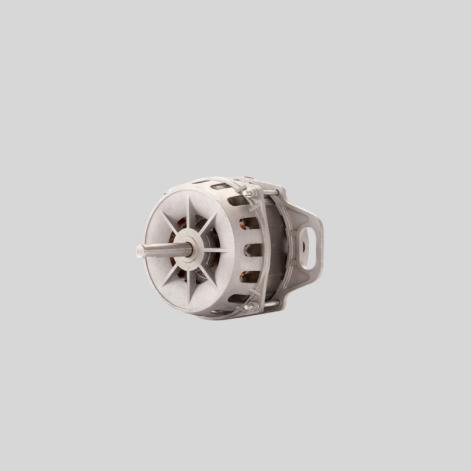
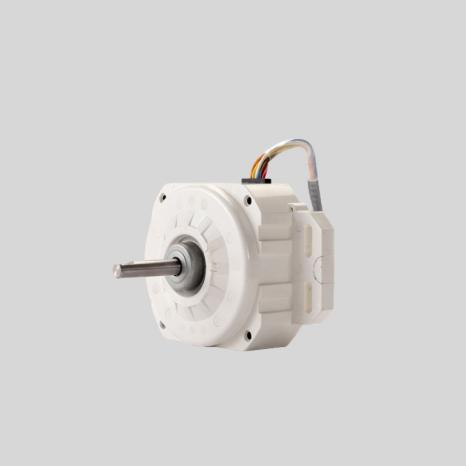
The Frequent FAQs of SMALL MOTOR
What is a small motor called?▾
Small motors are compact, efficient, and indispensable components in various modern technologies. Typically, motors are classified by numerous characteristics, including power source, structure, size, power output, and application. Within this spectrum, small motors and micro motors, sometimes referred to as ultra-small or tiny motors, represent a specialized segment designed for precision applications in fields such as robotics, medical equipment, and consumer electronics. Though diminutive in size, these motors deliver remarkable performance and versatility.
Small motors primarily fall under the category of DC motors, which are powered by direct current. The two main types of DC motors are brushed and brushless.
A brushed DC motor consists of a rotor made from a copper wire coil and a magnetic stator. The coil ends connect to a commutator, which rotates while maintaining contact with the brush. When DC current flows through the brush and reaches the commutator, it creates a magnetic field, enabling the rotor to rotate by alternating attraction and repulsion with the stator. Despite their simple structure and lack of need for a drive circuit, brushed DC motors incur wear and tear due to the contact between the commutator and brush. This results in regular maintenance needs and can generate mechanical and electrical noise, such as sparks.
Brushless DC motors, as the name suggests, eliminate the need for brushes and commutators. This type of motor features a magnetic rotor and a stator with coils. To generate movement, a drive circuit is necessary to switch the current flow into the coil. One of the key advantages of brushless motors is their longevity and reduced maintenance due to the absence of wear and tear from mechanical contacts. Additionally, because there are no electrical contacts, these motors can handle high currents, producing substantial power output while minimizing noise.
Among brushed DC motors, coreless motors stand out due to their unique construction, which omits the core of the wire coil forming the rotor. Instead, the rotor comprises a basket-shaped coil with a magnet positioned inside, allowing the rotor to rotate around it. This design results in a lighter rotor with less inertia, enhancing startup and response times. The absence of a metal core also eliminates cogging, ensuring smoother operation with reduced vibration and noise. Moreover, the motor itself can be made smaller and lighter, making it ideal for precision applications.
Geared motors integrate reduction gears within the rotation shaft, facilitating lower-speed rotation with higher torque than typical motors. This configuration is particularly beneficial in applications requiring high torque at low speeds, such as robotics and certain industrial equipment.
Small motors find applications across a myriad of industries. Typically, motors with outputs less than 75W are categorized as small motors, while those with outputs under 3W are known as micro motors. These motors are integral in audiovisual equipment, medical devices, communications equipment, measuring instruments, and robotics. For instance, in robotics, servomotors harness small, high-power motors to drive joints and facilitate precise movements. Similarly, small motors with low power consumption are used in portable devices like cassette recorders and cameras.
Producing high-performance small motors requires advanced manufacturing expertise. Components within these motors are often submillimeter in size, necessitating precision engineering and the use of sophisticated materials. Technologies like microfabrication are employed to develop components such as strong, thin magnets and tightly wound ultra-fine wire coils to ensure high torque and low power consumption. Additionally, injection molding technology using precision molds is critical for creating the mechanical components in small geared motors.
Ensuring the highest standards in small motor production is essential for meeting the rigorous demands of modern applications. Manufacturers specializing in these compact yet powerful motors play a critical role in advancing technology in various fields. Whether for consumer electronics, medical devices, or robotic systems, small motors continue to drive innovation and efficiency in today's increasingly complex technological landscape.
● Types of Small Motors
Small motors primarily fall under the category of DC motors, which are powered by direct current. The two main types of DC motors are brushed and brushless.
● Brushed DC Motors
A brushed DC motor consists of a rotor made from a copper wire coil and a magnetic stator. The coil ends connect to a commutator, which rotates while maintaining contact with the brush. When DC current flows through the brush and reaches the commutator, it creates a magnetic field, enabling the rotor to rotate by alternating attraction and repulsion with the stator. Despite their simple structure and lack of need for a drive circuit, brushed DC motors incur wear and tear due to the contact between the commutator and brush. This results in regular maintenance needs and can generate mechanical and electrical noise, such as sparks.
● Brushless DC Motors
Brushless DC motors, as the name suggests, eliminate the need for brushes and commutators. This type of motor features a magnetic rotor and a stator with coils. To generate movement, a drive circuit is necessary to switch the current flow into the coil. One of the key advantages of brushless motors is their longevity and reduced maintenance due to the absence of wear and tear from mechanical contacts. Additionally, because there are no electrical contacts, these motors can handle high currents, producing substantial power output while minimizing noise.
● Coreless Motors
Among brushed DC motors, coreless motors stand out due to their unique construction, which omits the core of the wire coil forming the rotor. Instead, the rotor comprises a basket-shaped coil with a magnet positioned inside, allowing the rotor to rotate around it. This design results in a lighter rotor with less inertia, enhancing startup and response times. The absence of a metal core also eliminates cogging, ensuring smoother operation with reduced vibration and noise. Moreover, the motor itself can be made smaller and lighter, making it ideal for precision applications.
● Geared Motors
Geared motors integrate reduction gears within the rotation shaft, facilitating lower-speed rotation with higher torque than typical motors. This configuration is particularly beneficial in applications requiring high torque at low speeds, such as robotics and certain industrial equipment.
● Applications and Manufacturing Expertise
Small motors find applications across a myriad of industries. Typically, motors with outputs less than 75W are categorized as small motors, while those with outputs under 3W are known as micro motors. These motors are integral in audiovisual equipment, medical devices, communications equipment, measuring instruments, and robotics. For instance, in robotics, servomotors harness small, high-power motors to drive joints and facilitate precise movements. Similarly, small motors with low power consumption are used in portable devices like cassette recorders and cameras.
Producing high-performance small motors requires advanced manufacturing expertise. Components within these motors are often submillimeter in size, necessitating precision engineering and the use of sophisticated materials. Technologies like microfabrication are employed to develop components such as strong, thin magnets and tightly wound ultra-fine wire coils to ensure high torque and low power consumption. Additionally, injection molding technology using precision molds is critical for creating the mechanical components in small geared motors.
● Conclusion
Ensuring the highest standards in small motor production is essential for meeting the rigorous demands of modern applications. Manufacturers specializing in these compact yet powerful motors play a critical role in advancing technology in various fields. Whether for consumer electronics, medical devices, or robotic systems, small motors continue to drive innovation and efficiency in today's increasingly complex technological landscape.
What is a small electric motor?▾
Small electric motors are fundamental components in a myriad of household and industrial applications, driving the operation of various devices and machinery with remarkable efficiency and precision. These motors, characterized by their compact size and versatile applicability, convert electrical energy into mechanical motion, addressing a broad spectrum of functional needs. With ongoing innovations and advancements in technology, small electric motors are becoming increasingly integral to modern engineering and everyday conveniences.
At their core, small electric motors function on the principles of electromagnetism. When electric current passes through a wire coil within a magnetic field, it generates a force that results in rotational motion. This fundamental mechanism is harnessed across various motor types, each designed for specific applications based on their unique operational characteristics. The primary types of small electric motors include DC motors, AC motors, and stepper motors.
1. DC Motors:
DC motors, operating on direct current, are renowned for their simplicity and reliability. They are commonly used in applications requiring variable speed control, such as in toys, automotive applications, and small household appliances.
2. AC Motors:
AC motors, powered by alternating current, are prevalent in domestic appliances and industrial machinery. These motors are subdivided into synchronous and asynchronous (induction) motors, each serving distinct roles based on their efficiency and performance criteria.
3. Stepper Motors:
Stepper motors are designed for precise control, making them ideal for applications in robotics, 3D printing, and other areas where accurate positioning is essential. They move in discrete steps, providing high repeatability and control.
The significance of small electric motors lies in their versatility and efficiency. They are pivotal in numerous applications, from everyday appliances to complex industrial systems. Some common examples include:
1. Household Appliances:
Small electric motors are integral to the functioning of household devices such as blenders, vacuum cleaners, and washing machines. These appliances rely on the motor’s ability to convert electrical energy into mechanical action efficiently.
2. Industrial Machinery:
In industrial settings, small electric motors drive everything from conveyor belts to machine tools, ensuring seamless operations and high productivity. Their compact size allows for integration into various machinery without compromising space or performance.
3. Automotive Systems:
Electric motors are also crucial in automotive applications, particularly with the advent of electric vehicles (EVs) and hybrid systems. They power everything from windshield wipers to power windows and, significantly, the propulsion system in EVs.
Fan motors are a specialized subset of small electric motors, primarily used for driving fans in ventilation and cooling systems. These motors are designed to operate efficiently, providing consistent airflow while minimizing noise and energy consumption.
1. Ventilation Systems:
In HVAC (heating, ventilation, and air conditioning) systems, fan motors ensure proper air circulation and temperature regulation, contributing to indoor comfort and air quality.
2. Electronics Cooling:
Fan motors are essential in cooling electronic devices, from computers to gaming consoles, preventing overheating and ensuring optimal performance. Their design prioritizes quiet operation and durability to match the demanding environments of electronic components.
Advancements in materials science, coupled with innovative design techniques, are pushing the boundaries of what small electric motors can achieve. Enhanced energy efficiency, reduced size, and improved durability are the focal points of ongoing research and development. Emerging technologies such as brushless motors and integrated smart systems promise to elevate the functionality and applicability of small electric motors even further, finding new uses in robotics, automation, and beyond.
In conclusion, small electric motors are indispensable in modern life, offering unmatched efficiency and adaptability. They power a range of applications, from household devices to industrial machinery, driving progress and convenience through their reliable and versatile performance.
● Core Function and Types of Small Electric Motors
At their core, small electric motors function on the principles of electromagnetism. When electric current passes through a wire coil within a magnetic field, it generates a force that results in rotational motion. This fundamental mechanism is harnessed across various motor types, each designed for specific applications based on their unique operational characteristics. The primary types of small electric motors include DC motors, AC motors, and stepper motors.
1. DC Motors:
DC motors, operating on direct current, are renowned for their simplicity and reliability. They are commonly used in applications requiring variable speed control, such as in toys, automotive applications, and small household appliances.
2. AC Motors:
AC motors, powered by alternating current, are prevalent in domestic appliances and industrial machinery. These motors are subdivided into synchronous and asynchronous (induction) motors, each serving distinct roles based on their efficiency and performance criteria.
3. Stepper Motors:
Stepper motors are designed for precise control, making them ideal for applications in robotics, 3D printing, and other areas where accurate positioning is essential. They move in discrete steps, providing high repeatability and control.
● Applications and Significance of Small Electric Motors
The significance of small electric motors lies in their versatility and efficiency. They are pivotal in numerous applications, from everyday appliances to complex industrial systems. Some common examples include:
1. Household Appliances:
Small electric motors are integral to the functioning of household devices such as blenders, vacuum cleaners, and washing machines. These appliances rely on the motor’s ability to convert electrical energy into mechanical action efficiently.
2. Industrial Machinery:
In industrial settings, small electric motors drive everything from conveyor belts to machine tools, ensuring seamless operations and high productivity. Their compact size allows for integration into various machinery without compromising space or performance.
3. Automotive Systems:
Electric motors are also crucial in automotive applications, particularly with the advent of electric vehicles (EVs) and hybrid systems. They power everything from windshield wipers to power windows and, significantly, the propulsion system in EVs.
● Incorporation of Fan Motors
Fan motors are a specialized subset of small electric motors, primarily used for driving fans in ventilation and cooling systems. These motors are designed to operate efficiently, providing consistent airflow while minimizing noise and energy consumption.
1. Ventilation Systems:
In HVAC (heating, ventilation, and air conditioning) systems, fan motors ensure proper air circulation and temperature regulation, contributing to indoor comfort and air quality.
2. Electronics Cooling:
Fan motors are essential in cooling electronic devices, from computers to gaming consoles, preventing overheating and ensuring optimal performance. Their design prioritizes quiet operation and durability to match the demanding environments of electronic components.
● Future Trends and Developments
Advancements in materials science, coupled with innovative design techniques, are pushing the boundaries of what small electric motors can achieve. Enhanced energy efficiency, reduced size, and improved durability are the focal points of ongoing research and development. Emerging technologies such as brushless motors and integrated smart systems promise to elevate the functionality and applicability of small electric motors even further, finding new uses in robotics, automation, and beyond.
In conclusion, small electric motors are indispensable in modern life, offering unmatched efficiency and adaptability. They power a range of applications, from household devices to industrial machinery, driving progress and convenience through their reliable and versatile performance.
What is a miniature motor?▾
Miniature motors, often referred to as mini motors, are compact electromechanical devices designed to convert electrical energy into mechanical motion. These motors are integral components in various applications, ranging from consumer electronics to industrial equipment, due to their small size and high efficiency. Unlike their larger counterparts, mini motors are specifically engineered to deliver precise control, low power consumption, and high performance in constrained spaces.
DC Motors: Direct Current (DC) motors are one of the most common types of mini motors. They operate on a simple principle: when an electric current passes through a coil in a magnetic field, it experiences a torque that causes it to rotate. The speed and torque can be easily controlled by adjusting the voltage and current.
Step Motors: Step motors are precision devices that move in discrete steps, allowing for precise control of position and speed. They are widely used in applications requiring accurate motion control, such as in 3D printers and robotic arms.
Servo Motors: These are closed-loop systems that use feedback mechanisms to control the angular position, velocity, and acceleration. Servo motors are commonly found in applications requiring high torque and precise positioning, such as camera autofocus systems and robotic joints.
Consumer Electronics: Mini motors are crucial in the functioning of various consumer devices. For instance, in smartphones, mini motors power the vibration feature. In laptops, mini motors are employed in cooling fans to dissipate heat efficiently. The compact size of these motors makes them ideal for integration into small devices without sacrificing performance.
Industrial Automation: In industrial settings, mini motors are used in a variety of automation systems. They power conveyor belts, actuate valves, and drive robotic components. The high precision and reliability of mini motors make them indispensable in manufacturing processes that require consistent and accurate performance.
Medical Devices: The medical field extensively utilizes mini motors in devices such as insulin pumps, prosthetics, and diagnostic equipment. Their small size and precise control capabilities ensure that these medical devices operate efficiently and accurately, enhancing patient care and treatment outcomes.
Mini motors are also critical in cooling systems, particularly in the operation of fans. Cooling fans equipped with mini motors are used in numerous applications to maintain optimal operating temperatures. In electronic devices, these fans prevent overheating by ensuring efficient airflow. In automotive systems, mini motor-driven fans help in cooling the engine and other critical components.
Cooling Fans in Electronics: Electronic devices such as computers and gaming consoles generate a significant amount of heat during operation. Mini motor-driven cooling fans help in dissipating this heat, ensuring that the devices run smoothly and efficiently. The compact size of these motors allows them to be integrated into the limited space available within these devices.
Automotive Cooling Fans: In automobiles, mini motors power the cooling fans that regulate the temperature of the engine and other components. These fans are crucial in preventing overheating, which can lead to engine failure and other mechanical issues. The reliability and efficiency of mini motors ensure that automotive cooling systems function optimally, enhancing vehicle performance and longevity.
In summary, miniature motors are versatile and efficient components that play a pivotal role in various applications across different industries. Their ability to deliver precise control and high performance in compact spaces makes them indispensable in modern technology. Whether in consumer electronics, industrial automation, or medical devices, the contribution of mini motors is profound. Additionally, their role in cooling systems, particularly in driving fans, underscores their importance in maintaining optimal operating conditions and enhancing the longevity of equipment and devices.
● Types of Miniature Motors
DC Motors: Direct Current (DC) motors are one of the most common types of mini motors. They operate on a simple principle: when an electric current passes through a coil in a magnetic field, it experiences a torque that causes it to rotate. The speed and torque can be easily controlled by adjusting the voltage and current.
Step Motors: Step motors are precision devices that move in discrete steps, allowing for precise control of position and speed. They are widely used in applications requiring accurate motion control, such as in 3D printers and robotic arms.
Servo Motors: These are closed-loop systems that use feedback mechanisms to control the angular position, velocity, and acceleration. Servo motors are commonly found in applications requiring high torque and precise positioning, such as camera autofocus systems and robotic joints.
● Applications of Miniature Motors
Consumer Electronics: Mini motors are crucial in the functioning of various consumer devices. For instance, in smartphones, mini motors power the vibration feature. In laptops, mini motors are employed in cooling fans to dissipate heat efficiently. The compact size of these motors makes them ideal for integration into small devices without sacrificing performance.
Industrial Automation: In industrial settings, mini motors are used in a variety of automation systems. They power conveyor belts, actuate valves, and drive robotic components. The high precision and reliability of mini motors make them indispensable in manufacturing processes that require consistent and accurate performance.
Medical Devices: The medical field extensively utilizes mini motors in devices such as insulin pumps, prosthetics, and diagnostic equipment. Their small size and precise control capabilities ensure that these medical devices operate efficiently and accurately, enhancing patient care and treatment outcomes.
● The Role of Mini Motors in Cooling Systems
Mini motors are also critical in cooling systems, particularly in the operation of fans. Cooling fans equipped with mini motors are used in numerous applications to maintain optimal operating temperatures. In electronic devices, these fans prevent overheating by ensuring efficient airflow. In automotive systems, mini motor-driven fans help in cooling the engine and other critical components.
Cooling Fans in Electronics: Electronic devices such as computers and gaming consoles generate a significant amount of heat during operation. Mini motor-driven cooling fans help in dissipating this heat, ensuring that the devices run smoothly and efficiently. The compact size of these motors allows them to be integrated into the limited space available within these devices.
Automotive Cooling Fans: In automobiles, mini motors power the cooling fans that regulate the temperature of the engine and other components. These fans are crucial in preventing overheating, which can lead to engine failure and other mechanical issues. The reliability and efficiency of mini motors ensure that automotive cooling systems function optimally, enhancing vehicle performance and longevity.
● Conclusion
In summary, miniature motors are versatile and efficient components that play a pivotal role in various applications across different industries. Their ability to deliver precise control and high performance in compact spaces makes them indispensable in modern technology. Whether in consumer electronics, industrial automation, or medical devices, the contribution of mini motors is profound. Additionally, their role in cooling systems, particularly in driving fans, underscores their importance in maintaining optimal operating conditions and enhancing the longevity of equipment and devices.
What are the four types of motors?▾
Understanding the various types of motors is crucial, especially when considering applications that demand different operational capabilities and characteristics. Motors convert electrical energy into mechanical energy, which powers countless devices and machinery in various industries. There are four primary types of motors, each possessing unique qualities and applications.
AC motors are typically categorized into synchronous and asynchronous (or induction) motors. Synchronous motors operate at a constant speed, synchronized with the line frequency. This synchronization leads to high efficiency and precision in speed control, making them ideal for applications requiring consistent speed regardless of load, such as clock mechanisms, turntables, and certain types of conveyors.
Induction motors, on the other hand, are the most common type of AC motor used in industrial applications. They operate on the principle of electromagnetic induction, where the electric current produces a magnetic field that causes the rotor to spin. These motors are robust, cost-effective, and efficient for high-torque applications including pumps, fans, and compressors.
DC motors are another vital category, featuring two main types: brushed and brushless. Brushed DC motors are among the simplest and earliest motor designs. They use brushes and a commutator to transfer electrical current to the rotor. Known for their ease of control and straightforward maintenance, brushed DC motors are often employed in applications like household appliances, automotive starters, and small-scale electric vehicles.
Brushless DC motors, as the name suggests, do away with brushes and commutators. Instead, they use electronic controllers to manage the current. This design significantly reduces wear and tear, enhancing the motor's lifespan and efficiency. These motors are highly favored in situations demanding precise control and high reliability, such as computer peripherals, drones, and advanced robotics.
Servomotors are specialized motors designed for precise control of angular or linear position, velocity, and acceleration. These motors are equipped with a feedback mechanism, typically a sensor, that provides real-time data to the control system, allowing for precise adjustments.
Servomotors are integral to high-precision applications like CNC machinery, robotic arms, and automated manufacturing systems. Their ability to offer high torque at low speeds makes them indispensable for tasks requiring meticulous positioning.
Stepper motors are another type of motor designed for precise control but operate on a different principle compared to servomotors. They divide a full rotation into a series of discrete steps, making them inherently position-controlled without needing a feedback system. This functionality is particularly useful in applications such as 3D printers, CNC machines, and other devices requiring repetitive, precise movements. Stepper motors excel in low to medium-speed applications where holding torque and precise repositioning are paramount.
Small motor manufacturers play a crucial role in driving innovation and meeting specific market needs. They often specialize in niche areas, offering customized solutions that large manufacturers might overlook. By focusing on quality, precision, and client-specific requirements, these producers ensure that industries can rely on motors that perfectly match their operational demands. From crafting miniature motors for medical devices to developing specialized units for aerospace applications, small motor manufacturers are at the forefront of technological advancements, delivering motors that provide both performance and efficiency.
In conclusion, understanding the distinct characteristics and applications of synchronous motors, induction motors, brushed and brushless DC motors, servomotors, and stepper motors enables better decision-making for specific needs. Each type of motor offers unique advantages tailored to various industrial, commercial, and consumer applications, ensuring optimal performance and reliability.
AC Motors
● Synchronous Motors
AC motors are typically categorized into synchronous and asynchronous (or induction) motors. Synchronous motors operate at a constant speed, synchronized with the line frequency. This synchronization leads to high efficiency and precision in speed control, making them ideal for applications requiring consistent speed regardless of load, such as clock mechanisms, turntables, and certain types of conveyors.
● Induction Motors
Induction motors, on the other hand, are the most common type of AC motor used in industrial applications. They operate on the principle of electromagnetic induction, where the electric current produces a magnetic field that causes the rotor to spin. These motors are robust, cost-effective, and efficient for high-torque applications including pumps, fans, and compressors.
DC Motors
● Brushed DC Motors
DC motors are another vital category, featuring two main types: brushed and brushless. Brushed DC motors are among the simplest and earliest motor designs. They use brushes and a commutator to transfer electrical current to the rotor. Known for their ease of control and straightforward maintenance, brushed DC motors are often employed in applications like household appliances, automotive starters, and small-scale electric vehicles.
● Brushless DC Motors
Brushless DC motors, as the name suggests, do away with brushes and commutators. Instead, they use electronic controllers to manage the current. This design significantly reduces wear and tear, enhancing the motor's lifespan and efficiency. These motors are highly favored in situations demanding precise control and high reliability, such as computer peripherals, drones, and advanced robotics.
Servomotors
Servomotors are specialized motors designed for precise control of angular or linear position, velocity, and acceleration. These motors are equipped with a feedback mechanism, typically a sensor, that provides real-time data to the control system, allowing for precise adjustments.
Servomotors are integral to high-precision applications like CNC machinery, robotic arms, and automated manufacturing systems. Their ability to offer high torque at low speeds makes them indispensable for tasks requiring meticulous positioning.
Stepper Motors
Stepper motors are another type of motor designed for precise control but operate on a different principle compared to servomotors. They divide a full rotation into a series of discrete steps, making them inherently position-controlled without needing a feedback system. This functionality is particularly useful in applications such as 3D printers, CNC machines, and other devices requiring repetitive, precise movements. Stepper motors excel in low to medium-speed applications where holding torque and precise repositioning are paramount.
● Small Motor Manufacturers
Small motor manufacturers play a crucial role in driving innovation and meeting specific market needs. They often specialize in niche areas, offering customized solutions that large manufacturers might overlook. By focusing on quality, precision, and client-specific requirements, these producers ensure that industries can rely on motors that perfectly match their operational demands. From crafting miniature motors for medical devices to developing specialized units for aerospace applications, small motor manufacturers are at the forefront of technological advancements, delivering motors that provide both performance and efficiency.
In conclusion, understanding the distinct characteristics and applications of synchronous motors, induction motors, brushed and brushless DC motors, servomotors, and stepper motors enables better decision-making for specific needs. Each type of motor offers unique advantages tailored to various industrial, commercial, and consumer applications, ensuring optimal performance and reliability.
 Privacy settings