
Introduction to DC Air Conditioners
In today's world, energy efficiency has become a critical factor in the design and selection of household appliances, including air conditioners. The rising cost of electricity, coupled with the increasing awareness of environmental sustainability, has driven consumers and manufacturers to seek out more energy-efficient alternatives. Among these alternatives, dc motor air conditioners have garnered significant attention. This article aims to explore the efficiency of DC air conditioners, specifically focusing on various aspects such as energy consumption, operational efficiency, environmental impact, cost analysis, and more. By delving into these factors, we hope to provide a comprehensive understanding of whether DC air conditioners are indeed more efficient.
Understanding DC Technology
● Basics of Direct Current (DC)
To appreciate the efficiency of DC air conditioners, it's essential first to understand the basics of Direct Current (DC) technology. Unlike Alternating Current (AC), which periodically reverses direction, DC maintains a constant flow of electric charge in one direction. This fundamental characteristic makes DC power more stable, reducing energy losses associated with the frequent direction changes in AC power.
● Differences Between DC and AC Systems
DC air conditioners utilize DC motors, which are inherently more efficient than their AC counterparts. Conventional AC air conditioners operate at fixed speeds, meaning they are either fully on or off, leading to significant energy wastage. In contrast, DC motor air conditioners can modulate their speed based on the cooling demand, adjusting power usage accordingly. This attribute significantly enhances their operational efficiency and energy savings.
Energy Consumption Comparison
● Energy Usage in DC vs. AC Air Conditioners
One of the most compelling arguments for DC air conditioners lies in their energy consumption. DC motor air conditioners typically consume 30-50% less power than standard AC units. This reduction is primarily due to the ability of DC motors to operate at variable speeds, directly correlating their power usage to the cooling requirements of the space.
● Real-World Examples of Energy Savings
Several studies and real-world applications have demonstrated the energy-saving potential of DC air conditioners. For instance, in regions with hot climates, where air conditioning is a necessity, switching to DC motor air conditioners has resulted in substantial reductions in electricity bills. These savings are not only beneficial to consumers but also contribute to a lower overall energy demand, easing the load on power grids.
Operational Efficiency of DC Air Conditioners
● How DC Units Achieve Higher Efficiency
The operational efficiency of DC air conditioners is primarily attributed to their use of inverter technology. Inverters allow the compressor motor to operate at variable speeds, matching the cooling load requirements precisely. Instead of running the compressor at full capacity intermittently, DC air conditioners can maintain a consistent temperature with minimal energy use.
● Technological Advancements in DC Compressors
Recent technological advancements have further enhanced the efficiency of DC compressors. Innovations such as brushless DC motors (BLDC) and advanced microcontroller units (MCUs) have allowed for more precise control over motor functions. These technologies enable smoother transitions between different operating speeds, reducing mechanical stress and increasing the lifespan of the air conditioning unit.
Environmental Impact
● Reduced Carbon Footprint with DC Air Conditioners
One of the significant environmental benefits of DC air conditioners is their reduced carbon footprint. By consuming less power, these units decrease the amount of electricity generated from fossil fuels, subsequently lowering greenhouse gas emissions. This contribution to environmental sustainability is a crucial factor for eco-conscious consumers.
● Contribution to Sustainable Living
Beyond the direct reduction in energy consumption, the use of DC air conditioners aligns with broader sustainable living goals. These systems often incorporate eco-friendly refrigerants and are designed for higher durability, reducing the frequency of replacements and minimizing electronic waste. As a result, DC air conditioners play a vital role in fostering a more sustainable and environmentally responsible lifestyle.
Cost Analysis
● Initial Purchase vs. Long-Term Savings
When considering the cost of DC air conditioners, it's important to balance the initial purchase price against long-term savings. DC motor air conditioners tend to have a higher upfront cost compared to traditional AC units. However, this initial investment is quickly offset by the significant reductions in utility bills over time.
● Return on Investment for DC Air Conditioners
The return on investment (ROI) for DC air conditioners is often realized within a few years of purchase. The lower energy consumption leads to reduced operational costs, making DC units a financially sound choice in the long run. Additionally, government incentives and rebates for energy-efficient appliances can further enhance the ROI for consumers choosing DC motor air conditioners.
Performance and Longevity
● Durability of DC Air Conditioning Units
DC air conditioning units are known for their durability and reliable performance. The variable speed operation reduces wear and tear on the compressor, extending the lifespan of the unit. This resilience is particularly beneficial in regions where air conditioners are in constant use, providing both efficiency and reliability over many years.
● Maintenance and Repair Considerations
Maintenance and repair considerations are also vital when evaluating air conditioner efficiency. DC motor air conditioners generally require less frequent maintenance due to their advanced design and fewer moving parts. When repairs are necessary, the modular components used in DC units often simplify the process, reducing downtime and maintenance costs.
Inverter Technology in DC Systems
● Role of Inverters in Enhancing Efficiency
Inverter technology is central to the efficiency of DC air conditioners. It allows the compressor motor to vary its speed in response to cooling demands, rather than operating at a fixed speed. This dynamic adjustment minimizes energy waste and enhances overall system efficiency.
● Benefits of Variable Speed Operation
The variable speed operation enabled by inverters offers several benefits. It ensures more consistent and precise temperature control, reducing the occurrence of temperature fluctuations. Additionally, it lowers the noise levels associated with compressor startups and shutdowns, enhancing the overall user experience and comfort.
User Experience and Comfort
● Noise Levels of DC Air Conditioners
One of the often-overlooked advantages of DC air conditioners is their lower noise levels. The gradual acceleration and deceleration of the compressor lead to quieter operation compared to the abrupt on/off cycles of traditional AC units. This feature greatly enhances the comfort of living spaces, particularly in noise-sensitive environments.
● Enhanced Comfort Through Precise Temperature Control
DC motor air conditioners provide more precise temperature control, maintaining a stable indoor climate. This precision creates a more comfortable living environment, as the system can quickly respond to changes in temperature and humidity levels. Users can enjoy a consistently pleasant atmosphere without the discomfort of sudden temperature shifts.
Market Adoption and Future Trends
● Current Market Trends for DC Air Conditioners
The market for DC air conditioners has been growing steadily, driven by the rising demand for energy-efficient and eco-friendly solutions. Many leading DC motor air conditioner manufacturers, wholesalers, and suppliers are expanding their product lines to include advanced DC air conditioning systems. This trend reflects the increasing consumer preference for sustainable and cost-effective cooling solutions.
● Future Innovations and Potential Growth in the Industry
Looking ahead, the DC air conditioner industry is poised for further innovation and growth. Advances in materials science, energy storage, and smart home integration are likely to enhance the performance and appeal of DC motor air conditioners. As technology continues to evolve, we can expect even greater efficiency and user convenience from future DC air conditioning systems.
Introducing Maxtech
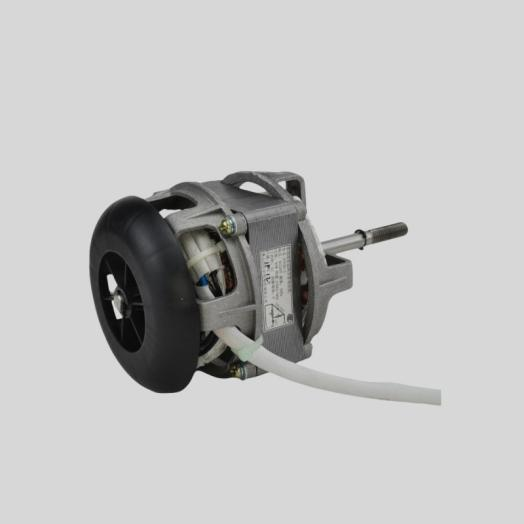
Maxtech, located in the picturesque city of Hangzhou and adjacent to Hangzhou Xiaoshan Airport, specializes in the research, development, production, and sales of micro and special motors and fans. With a broad product range that includes BLDC motors, single-phase AC motors, fan motors, dryer motors, tubular motors, oven motors, AC and DC air conditioning motors, and various types of fan products, Maxtech serves both domestic and international markets. Renowned for its excellent product quality and leading technological advantages, Maxtech has established long-term cooperative relationships with many large electrical companies and continues to explore new technological processes to produce innovative and high-performing motors and fans.
Post time: 2024-07-01 14:25:10
 Privacy settings