
● Overview
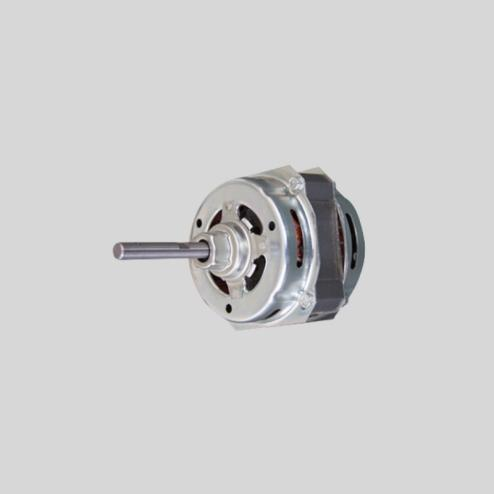
The air conditioning industry has seen remarkable growth and transformation over the years, largely driven by technological innovations and evolving consumer demands. At the heart of these advancements is the air conditioner motor, a critical component that ensures efficient cooling and operation. This article delves into the multifaceted world of air conditioner motors, exploring their historical evolution, current trends, challenges, and future outlook. Additionally, we will highlight the role of wholesale air conditioner motor suppliers and manufacturers in shaping the industry.
● Importance of the Subject
Air conditioning systems have become indispensable in modern life, providing comfort in homes, offices, and various commercial settings. The motor within an air conditioner is crucial for its performance, energy efficiency, and longevity. Understanding the intricacies of air conditioner motors helps stakeholders make informed decisions about procurement, maintenance, and innovation.
● Purpose of the Article
This article aims to provide a comprehensive analysis of air conditioner motors, with a focus on their development, current state, and future prospects. It also seeks to emphasize the significance of wholesale suppliers and manufacturers in the industry, particularly those like Maxtech, which contribute to the advancement and distribution of high-quality air conditioning motors.
Historical Background and Evolution
● Early Developments
The concept of artificial cooling dates back to ancient civilizations, but it wasn't until the 20th century that modern air conditioning systems emerged. Early air conditioning units used primitive motors that were less efficient and more cumbersome. These motors primarily served to drive compressors and fans, essential for the basic operating principles of air conditioning.
● Key Milestones
Significant advancements in motor technology have been pivotal in the evolution of air conditioning systems. The introduction of alternating current (AC) motors marked a significant milestone, offering more reliable and efficient performance compared to their direct current (DC) counterparts. The development of variable speed motors and brushless DC (BLDC) motors further revolutionized the industry, enabling better control over cooling capacities and energy consumption.
● Influential Figures and Events
Pioneers like Willis Carrier, the inventor of the modern air conditioner, played a crucial role in the early development of air conditioning technology. Over the years, numerous engineers and companies have contributed to the refinement of air conditioner motors, leading to the sophisticated and diverse options available today.
Current Trends and Statistics
● Recent Data and Figures
The global air conditioning market has been experiencing steady growth, with increasing demand for energy-efficient and environmentally friendly solutions. According to recent industry reports, the market size for air conditioner motors is projected to reach new heights, driven by technological advancements and rising consumer awareness about energy conservation.
● Major Trends
One of the most notable trends in the air conditioning industry is the shift towards inverter technology, which uses BLDC motors to provide variable speed operation. This trend is driven by the need for greater energy efficiency and reduced environmental impact. Additionally, there is a growing preference for smart air conditioning systems that incorporate IoT capabilities, allowing users to remotely control and monitor their units.
● Comparisons to Past Data
Comparing current data to past trends, it is evident that the industry has made significant strides in terms of energy efficiency and performance. Modern air conditioner motors are significantly more efficient than their predecessors, contributing to lower energy consumption and reduced greenhouse gas emissions.
Key Challenges and Issues
● Current Obstacles
Despite the advancements, the air conditioning industry faces several challenges. One of the primary obstacles is the need to balance performance with environmental sustainability. The use of refrigerants with high global warming potential (GWP) and the energy consumption of air conditioning units are major concerns that need to be addressed.
● Common Pitfalls
Common pitfalls in the industry include the use of substandard motors that compromise the performance and longevity of air conditioning units. Additionally, improper installation and maintenance can lead to inefficiencies and frequent breakdowns, underscoring the need for high-quality air conditioner motors and skilled technicians.
● Case Studies of Challenges
Several case studies highlight the challenges faced by the industry. For instance, a major air conditioner manufacturer faced significant backlash due to the use of motors with high failure rates, leading to a costly recall and reputational damage. Such instances underscore the importance of quality and reliability in air conditioner motors.
Innovations and Advances
● New Technologies
The air conditioning industry has witnessed several technological innovations in recent years. One of the key advancements is the development of high-efficiency BLDC motors, which offer superior performance and energy savings compared to traditional AC motors. Additionally, the integration of IoT technology has enabled the creation of smart air conditioning systems that provide enhanced user control and monitoring capabilities.
● Breakthrough Methodologies
Breakthrough methodologies in motor design and manufacturing have also contributed to the advancement of air conditioner motors. Techniques such as finite element analysis (FEA) and computational fluid dynamics (CFD) have enabled engineers to optimize motor performance and efficiency. Moreover, advancements in materials science have led to the development of more durable and heat-resistant motor components.
● Leading-edge Research
Leading-edge research in the field of motor technology continues to drive innovation. Researchers are exploring the potential of novel materials and design methodologies to further enhance the performance and efficiency of air conditioner motors. Additionally, ongoing research into advanced control algorithms and motor topologies is expected to yield significant improvements in the near future.
Impact on Society and Culture
● Social Implications
The widespread adoption of air conditioning has had profound social implications. Air conditioning has improved the quality of life for millions of people, providing comfort in homes, workplaces, and public spaces. It has also contributed to increased productivity and better health outcomes by reducing the risk of heat-related illnesses.
● Cultural Shifts
The proliferation of air conditioning has also led to cultural shifts in various regions. In many parts of the world, air-conditioned environments have become the norm, influencing architectural design and lifestyle choices. The demand for air conditioning has also driven the growth of related industries, including manufacturing, installation, and maintenance services.
● Community Responses
Community responses to the increasing use of air conditioning have been mixed. While many people appreciate the comfort and benefits provided by air conditioning, there are concerns about its environmental impact and energy consumption. As a result, there is growing support for initiatives to promote energy-efficient and sustainable air conditioning solutions.
Environmental and Ethical Considerations
● Sustainability Concerns
The environmental impact of air conditioning is a significant concern, particularly with regard to energy consumption and refrigerant emissions. Air conditioning units account for a substantial portion of global energy use, and the use of refrigerants with high GWP contributes to climate change. As a result, there is a strong push towards developing more sustainable and environmentally friendly air conditioning solutions.
● Ethical Debates
Ethical debates surrounding the air conditioning industry often focus on issues of equity and access. In many developing regions, access to air conditioning is limited, exacerbating health risks and disparities in quality of life. Additionally, there are ethical considerations related to the sourcing and disposal of motor components, particularly rare earth materials used in high-efficiency motors.
● Regulatory Perspectives
Regulatory perspectives on air conditioning increasingly emphasize energy efficiency and environmental sustainability. Governments and regulatory bodies around the world are implementing stricter standards and incentives to promote the use of energy-efficient motors and eco-friendly refrigerants. These regulations aim to reduce the environmental impact of air conditioning while encouraging innovation and industry growth.
Case Studies and Success Stories
● Real-world Examples
Several real-world examples highlight the success of innovative air conditioner motor solutions. For instance, a leading air conditioner manufacturer implemented BLDC motors in its product line, resulting in significant energy savings and improved performance. This move not only boosted the company's market share but also set a new standard for energy efficiency in the industry.
● Success Metrics
Success metrics for air conditioner motors often include energy savings, performance improvements, and customer satisfaction. By adopting high-efficiency motors, manufacturers can achieve substantial reductions in energy consumption, leading to lower operational costs and a smaller environmental footprint. Additionally, improved motor reliability and performance contribute to higher levels of customer satisfaction and loyalty.
● Lessons Learned
Lessons learned from successful case studies underscore the importance of innovation, quality, and collaboration. Manufacturers that prioritize research and development, invest in high-quality materials, and work closely with suppliers and customers are better positioned to succeed in the competitive air conditioning market. Additionally, a focus on sustainability and energy efficiency can yield long-term benefits for both the industry and the environment.
Future Outlook and Predictions
● Anticipated Developments
The future of air conditioner motors is expected to be shaped by several key developments. Advances in motor technology, such as the development of ultra-high-efficiency motors and new control algorithms, will continue to drive improvements in performance and energy savings. Additionally, the integration of smart technology and IoT capabilities will enable more sophisticated and user-friendly air conditioning systems.
● Expert Predictions
Experts predict that the demand for energy-efficient and environmentally friendly air conditioner motors will continue to grow. This trend will be driven by increasing consumer awareness, stricter regulatory standards, and the ongoing push for sustainability. Additionally, the adoption of renewable energy sources and advancements in energy storage technology will further enhance the viability of high-efficiency air conditioning solutions.
● Long-term Prospects
In the long term, the air conditioning industry is likely to see a continued focus on innovation and sustainability. As technology advances, air conditioner motors will become more efficient, reliable, and versatile, meeting the diverse needs of consumers and businesses. Additionally, the industry will increasingly prioritize the development of eco-friendly solutions that minimize environmental impact and promote energy conservation.
Conclusion and Call to Action
● Summary of Key Points
In summary, the air conditioning industry has undergone significant transformation, driven by advancements in motor technology and evolving consumer demands. The development of high-efficiency motors, particularly BLDC motors, has played a crucial role in improving the performance and sustainability of air conditioning units. Despite the challenges faced by the industry, ongoing innovation and a focus on quality and sustainability offer promising prospects for the future.
● Future Steps for Readers
For stakeholders in the air conditioning industry, it is essential to stay informed about the latest trends and advancements in motor technology. By prioritizing energy efficiency and sustainability, manufacturers, suppliers, and consumers can contribute to the development of more eco-friendly and efficient air conditioning solutions. Additionally, collaboration and transparency across the supply chain are crucial for ensuring quality and reliability.
● Encouragement to Engage
We encourage readers to actively engage with the air conditioning industry, whether as consumers, manufacturers, or suppliers. By supporting innovative and sustainable solutions, you can help drive positive change and contribute to a more energy-efficient and environmentally responsible future. Additionally, consider partnering with reputable companies like Maxtech to ensure access to high-quality air conditioner motors and components.
Introducing Maxtech
Maxtech is a leading company based in the picturesque city of Hangzhou, near Hangzhou Xiaoshan Airport. Specializing in the research, development, production, and sales of micro and special motors and fans, Maxtech offers a diverse range of products, including BLDC motors, single-phase AC motors, fan motors, dryer motors, tubular motors, oven motors, AC air conditioning motors, and more. These products are widely used in household appliances and industrial control equipment, underscoring Maxtech's commitment to quality and innovation.
Post time: 2024-09-25 14:23:41
 Privacy settings